How Farmers Can Improve Crop Quality Naturally

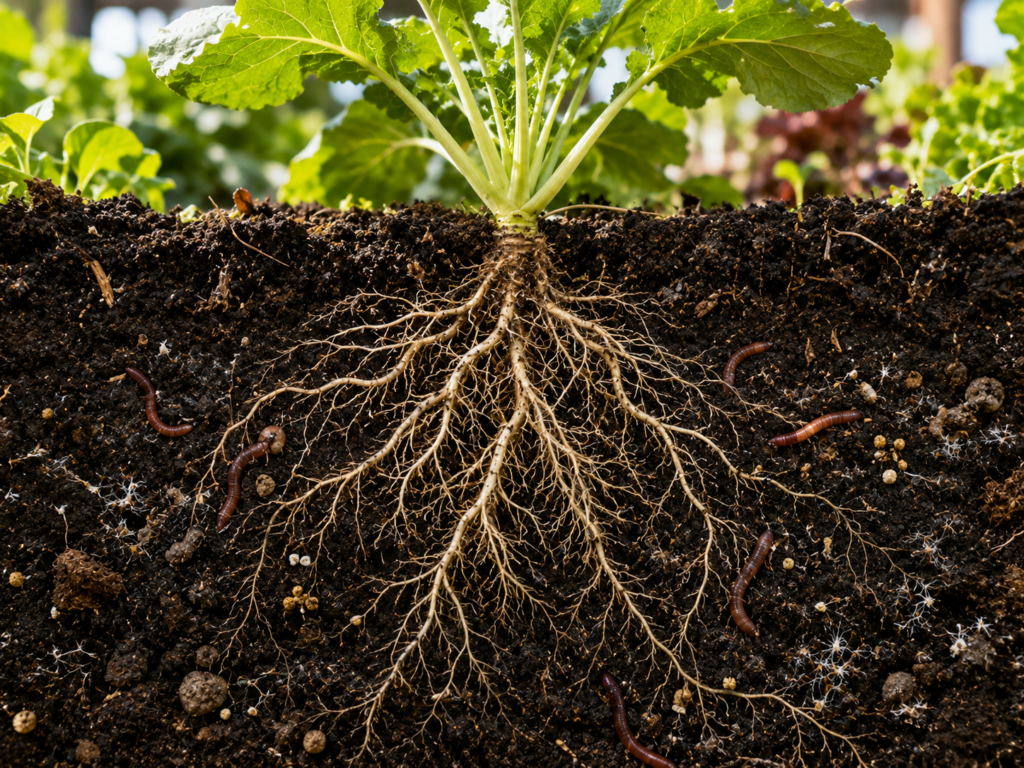
Healthy vegetable plant with a strong root system growing in fertile organic soil enriched with earthworms and natural microorganisms.
Healthy roots and fertile soil create the foundation for stronger plants, better crop quality, and sustainable agricultural growth.

Introduction

Producing healthy, high-quality crops requires more than simply planting seeds and waiting for harvest. Crop quality depends on several natural factors, including soil health, proper nutrition, efficient irrigation, balanced pest management, and consistent field care. By following environmentally responsible farming practices, farmers can improve both the quality and productivity of their crops without relying heavily on harmful chemicals.

At Nidhi Somal Farms, we believe that healthy crops begin with healthy farming practices. Natural crop care not only supports better harvests but also protects soil fertility, conserves natural resources, and contributes to sustainable agriculture.

Why Crop Quality Matters

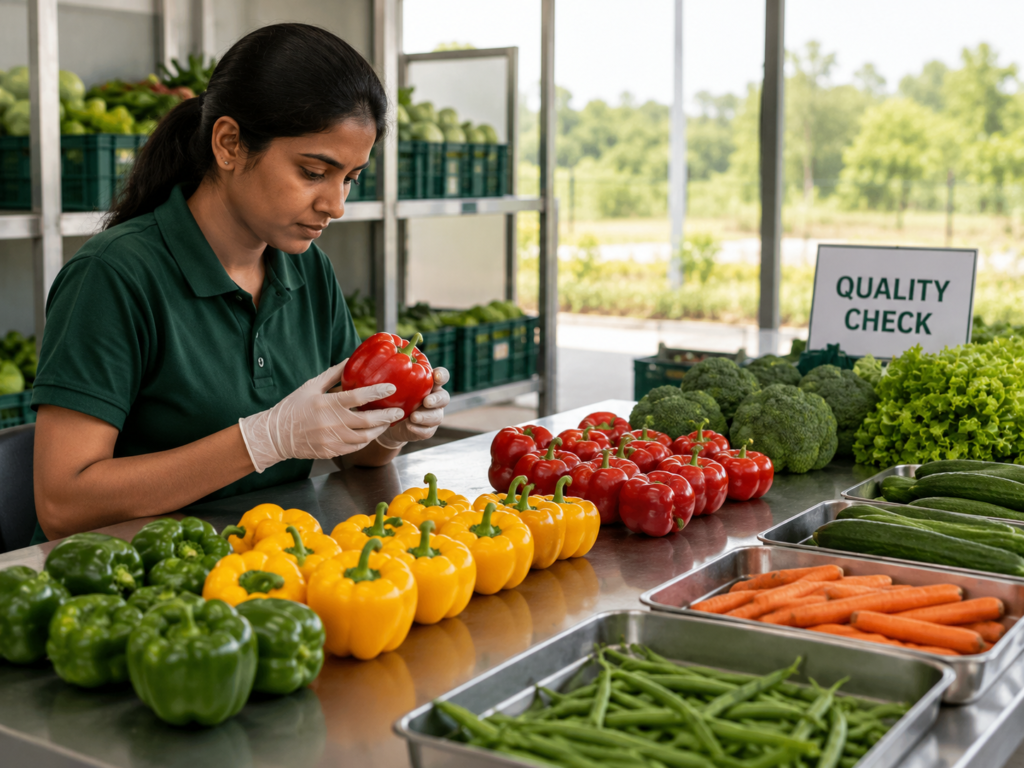
Agricultural quality specialist inspecting fresh vegetables to evaluate crop quality standards in a professional farm quality control station.

High-quality crops provide better nutrition, improved appearance, longer shelf life, and greater customer satisfaction. Strong crop quality also helps farmers build trust with consumers while increasing the value of their agricultural produce.

Healthy crops are generally more resistant to environmental stress, pests, and diseases, allowing farms to maintain consistent productivity throughout the growing season.

Improve Soil Health Naturally

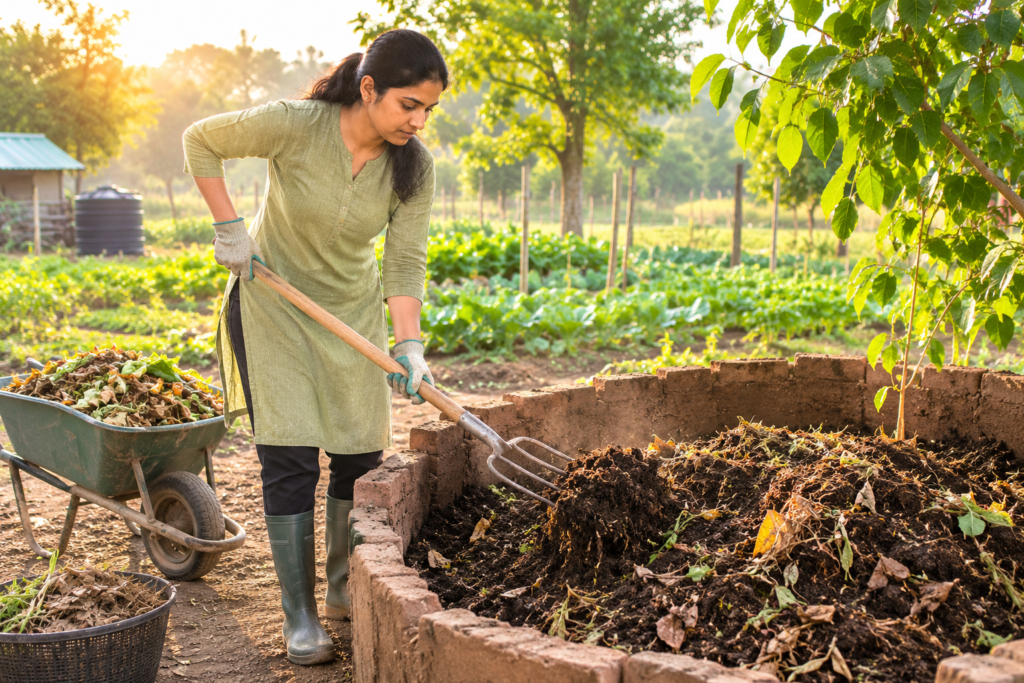
Farmer preparing nutrient-rich organic compost in a compost pit to naturally improve soil health before planting crops.

Healthy soil is the foundation of quality crop production. Farmers can naturally improve soil fertility by using organic compost, farmyard manure, green manure, and crop rotation. These practices increase beneficial microorganisms, improve soil structure, and enhance nutrient availability for plants.

Maintaining healthy soil encourages stronger root development and supports consistent plant growth.

Provide Balanced Water and Nutrient Management

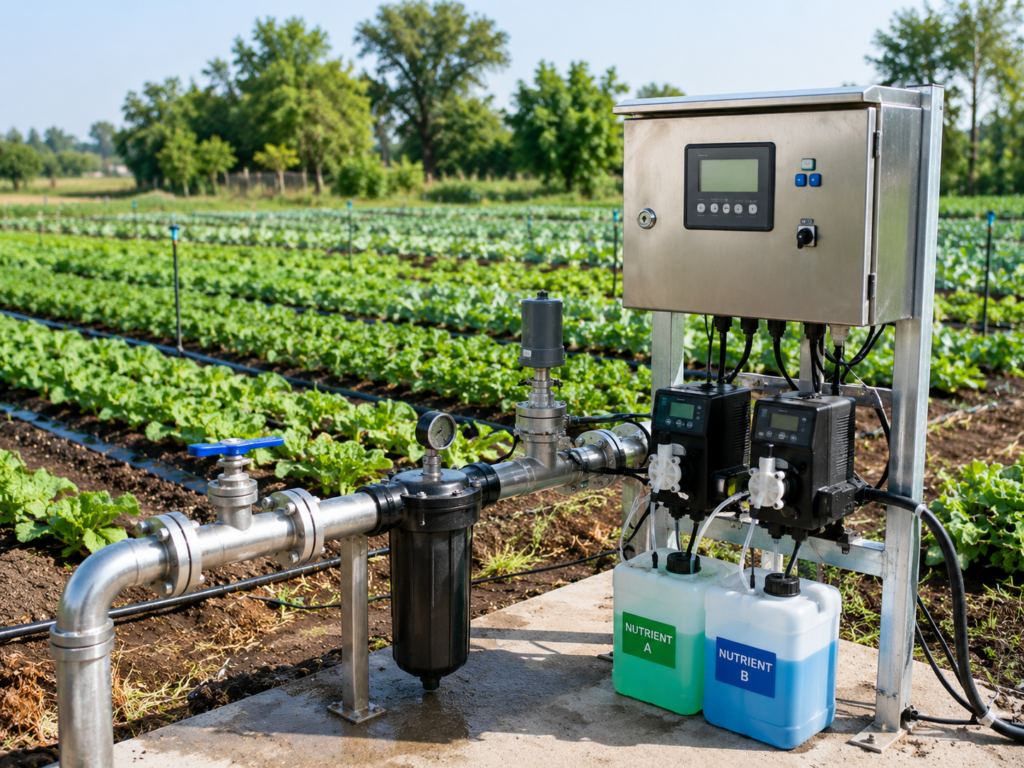
Modern precision irrigation and nutrient management system delivering balanced water and nutrients to healthy vegetable crops in an open farm.

Proper irrigation plays a significant role in crop quality. Overwatering and underwatering can both reduce plant health and affect crop development. Farmers should supply water according to crop requirements while ensuring good drainage.

Natural nutrient sources such as compost and organic fertilizers help plants receive essential minerals gradually, supporting healthy growth throughout the cultivation period.

Protect Crops Using Natural Pest Management

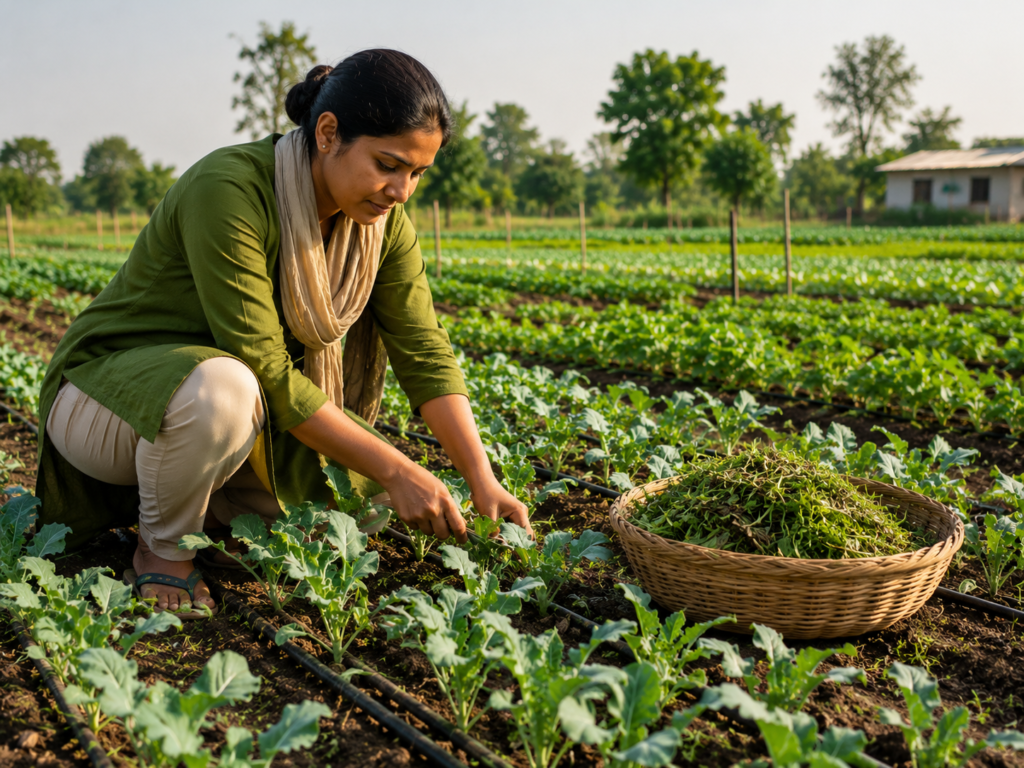
Farmer naturally protecting healthy vegetable crops through manual crop monitoring and eco-friendly pest management practices in an organic farm.

Preventing crop damage is an important part of maintaining quality. Farmers can encourage beneficial insects, practice crop rotation, maintain field cleanliness, and monitor crops regularly to reduce pest problems naturally.

Early identification of pests and diseases helps minimize crop losses while reducing dependence on chemical treatments.

Monitor Crop Growth Regularly

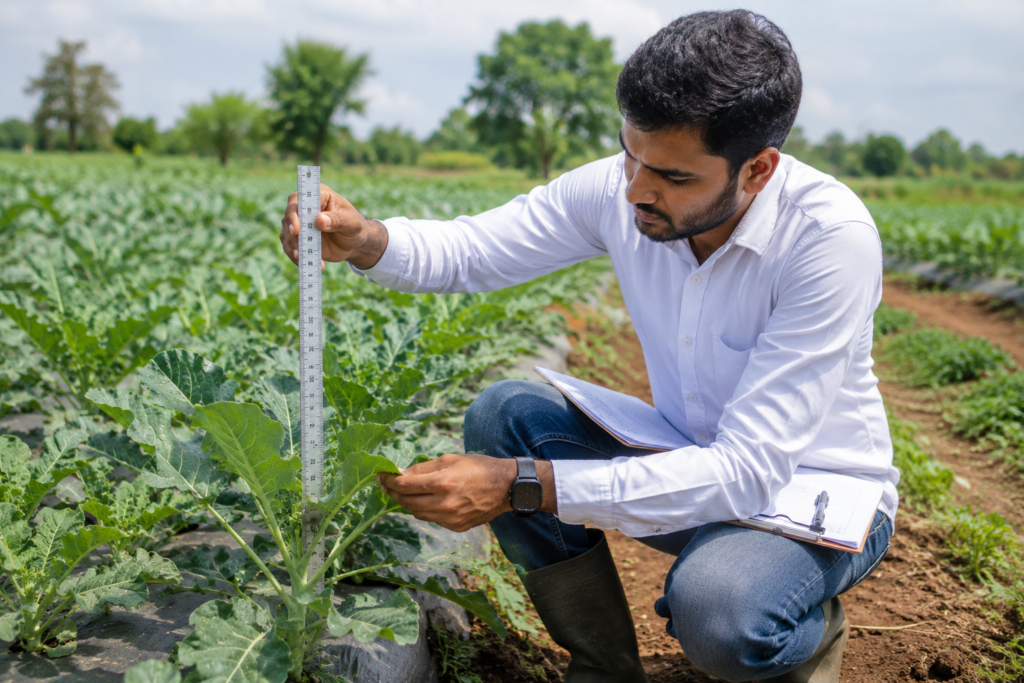
Agronomist measuring vegetable crop growth in an open farm using a ruler while recording plant development during regular field monitoring.

Routine field inspections allow farmers to identify nutrient deficiencies, pest activity, weed growth, or irrigation issues before they become major problems. Regular monitoring supports timely decision-making and helps maintain consistent crop quality throughout the growing season.

Careful observation also improves harvest planning and overall farm management.

Harvest Crops at the Right Time

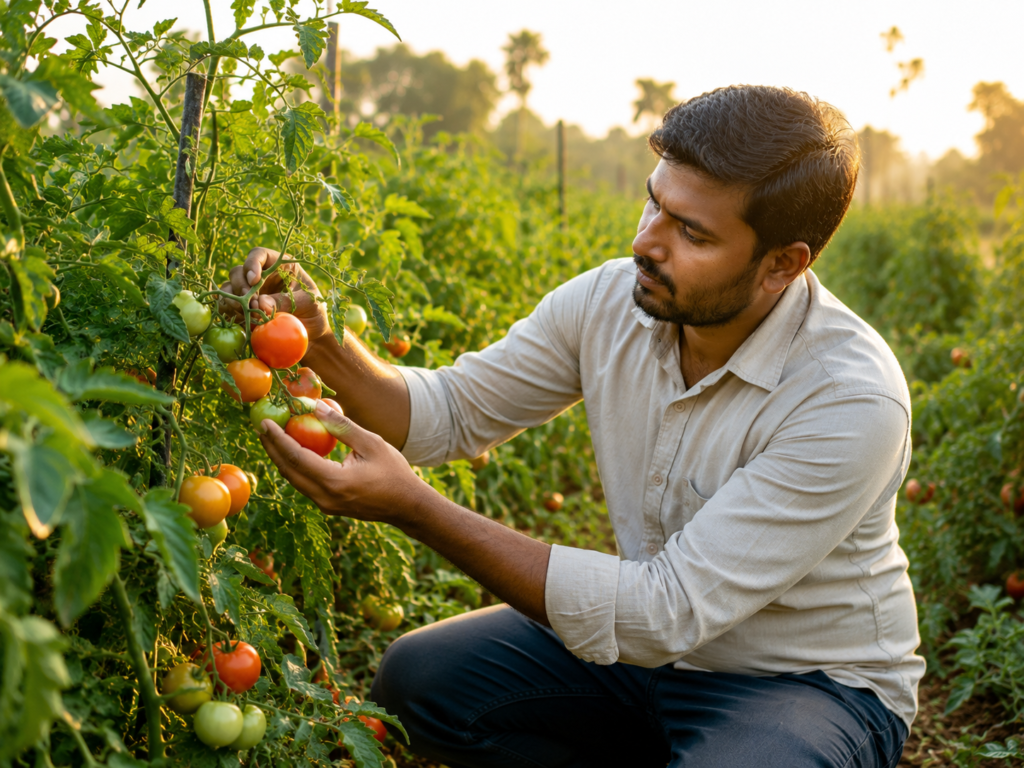
Farmer inspecting ripe tomatoes on healthy plants to identify the ideal harvesting stage in an organic vegetable farm.

Harvest timing directly influences crop quality. Fruits and vegetables harvested at the proper stage of maturity generally offer better taste, texture, nutritional value, and storage life.

Careful harvesting and proper handling help reduce physical damage and preserve the freshness of agricultural produce after harvest.

Natural Crop Care at Nidhi Somal Farms

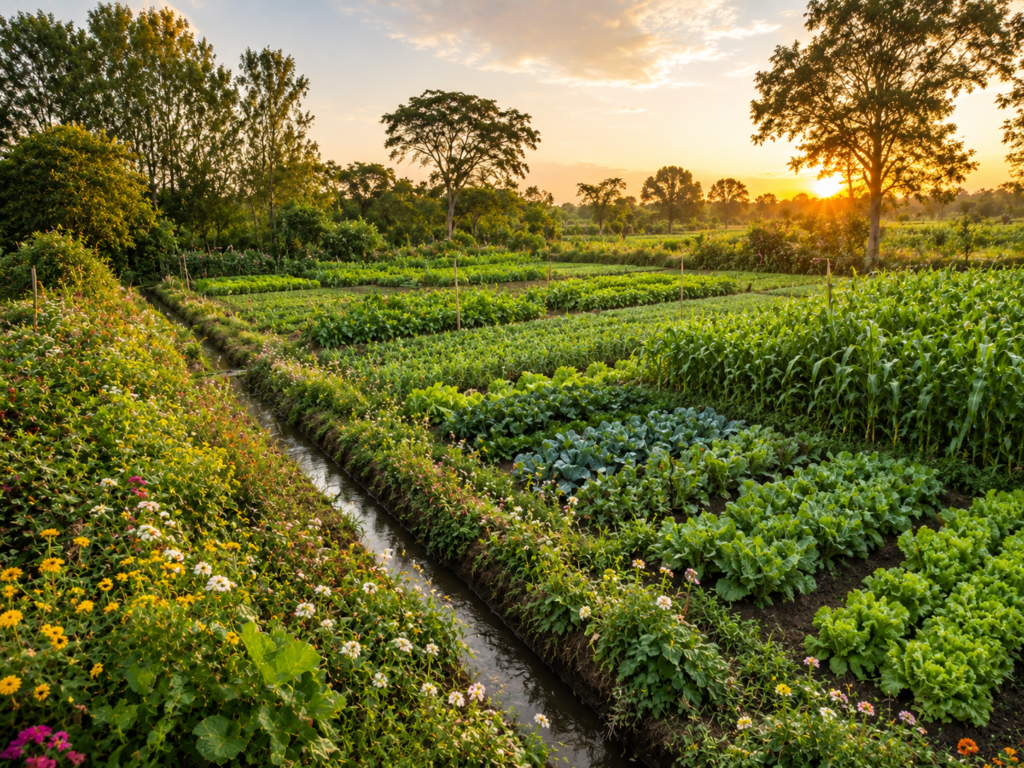
Healthy organic vegetable farm with diverse crops, flowering hedgerows, native trees, and natural irrigation channels under warm evening sunlight.

At Nidhi Somal Farms, we focus on responsible farming practices that encourage healthy crop growth while protecting the environment. By maintaining soil health, using natural farming techniques, managing water efficiently, and monitoring crop development carefully, we strive to produce fresh, high-quality farm products that meet modern agricultural standards.

Conclusion

Improving crop quality naturally requires continuous attention to soil health, water management, balanced nutrition, natural pest control, regular field monitoring, and timely harvesting. These practices help farmers produce healthier crops while supporting sustainable agriculture and protecting valuable natural resources.

For more practical guidance on maintaining healthy crops, explore our related article “Essential Crop Care Tips for Healthy Plant Growth”, where we discuss everyday crop care practices that support long-term farm productivity.

Frequently Asked Questions (FAQs)

1. What is crop quality?

Crop quality refers to the overall health, appearance, nutritional value, freshness, and market value of agricultural produce.

2. How can farmers improve crop quality naturally?

Farmers can improve crop quality by maintaining healthy soil, using organic compost, managing irrigation properly, monitoring crops regularly, and applying natural pest management practices.

3. Why is soil health important for crop quality?

Healthy soil supplies essential nutrients, improves root development, and supports strong plant growth, resulting in better-quality crops.

4. How does proper irrigation affect crop quality?

Balanced irrigation helps plants grow consistently, prevents water stress, and supports healthy fruit and vegetable development.

5. Why is regular crop monitoring necessary?

Regular monitoring helps farmers detect pests, diseases, nutrient deficiencies, and other field problems early, allowing timely corrective action and better crop quality.

Scroll to Top