Crop Care Tips for Beginners
Introduction
Healthy crops require regular attention from planting to harvest. Crop care tips for beginners help new gardeners and farmers understand how simple maintenance practices can improve plant growth and overall farm productivity. Proper field observation, timely care, and organized farming routines reduce crop stress while creating a healthier growing environment. By following the right crop care practices, beginners can produce stronger plants and achieve better harvests through sustainable farming methods.
Crop Care Tips for Beginners to Maintain Healthy Crops
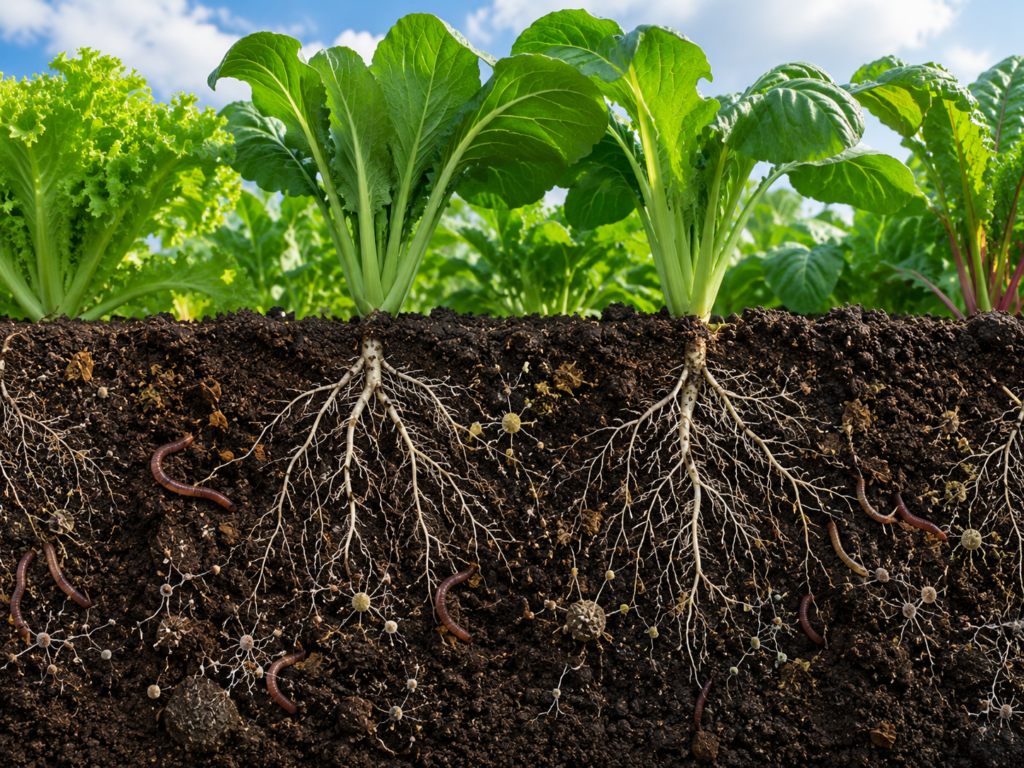
Following simple crop care practices helps beginners keep plants healthy and productive throughout the growing season. Regular field maintenance and proper observation reduce many common farming problems before they become serious. Strong crop growth also begins with healthy soil. If you want to naturally improve soil quality and support long-term farm productivity, explore our guide on How to Improve Soil Fertility Naturally.
Some essential crop care tips include:
Daily Crop Inspection
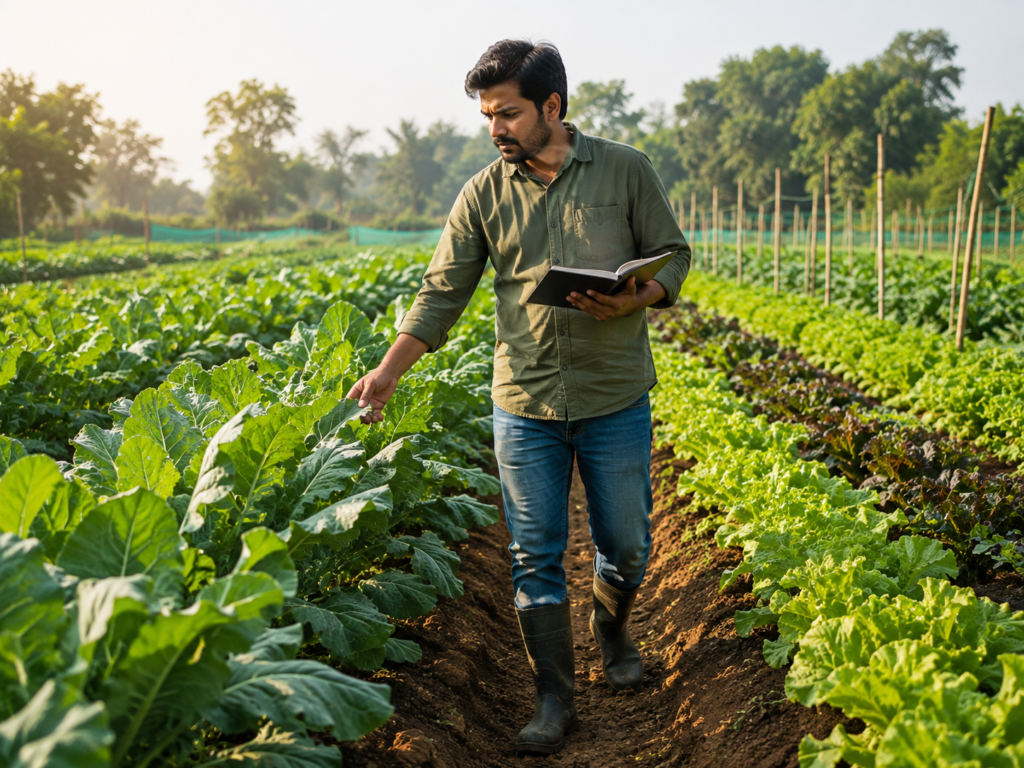
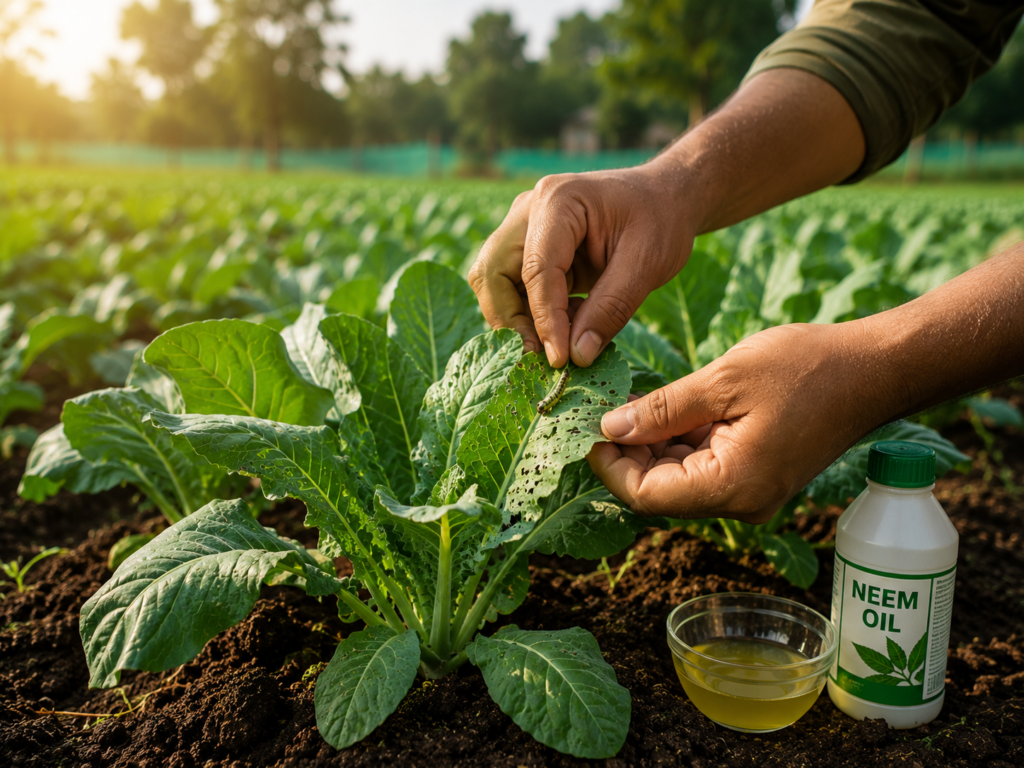
Walk through the field regularly to check plant growth, leaf color, and overall crop condition. Early observation helps detect small problems before they spread.
Keep Farming Tools Clean
Always clean tools after use to prevent the spread of plant diseases and improve work efficiency.
Remove Dry and Damaged Plant Parts
Removing unhealthy leaves and damaged stems helps plants focus their energy on healthy growth.
Keep the Field Clean
Regularly remove unwanted plant debris and maintain a clean growing area to support healthier crops.
Why Crop Care Is Important for Healthy Plants
Proper crop care is essential for maintaining healthy plants throughout every stage of growth. Additionally, regular monitoring, clean farming practices, and timely maintenance help crops develop stronger roots, healthier leaves, and better resistance to environmental stress.
Some important benefits of proper crop care include:
- Promotes healthy plant growth
- Reduces crop stress
- Improves farm productivity
- Supports better crop quality
- Encourages sustainable farming
- Helps identify field problems early
As a result, consistent crop care creates a healthier farming environment and improves long-term agricultural success.
Water Crops at the Right Time
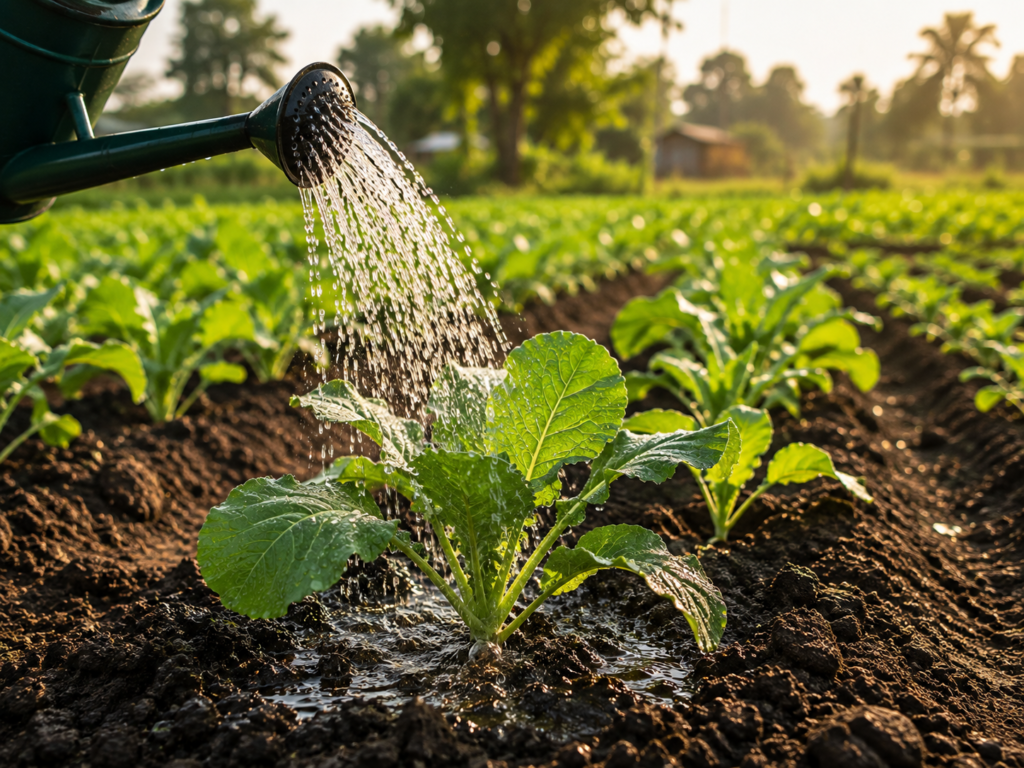
Proper watering is one of the most important parts of successful crop care. However, both overwatering and underwatering can affect plant growth and reduce crop quality.
For better watering management:
- Water early in the morning or late in the evening.
- Avoid waterlogging around plant roots.
- Check soil moisture before irrigation.
- Use efficient irrigation methods whenever possible.
- Adjust watering according to weather conditions.
As a result, proper irrigation helps plants remain healthy while reducing unnecessary water loss.
Manage Weed Growth Effectively
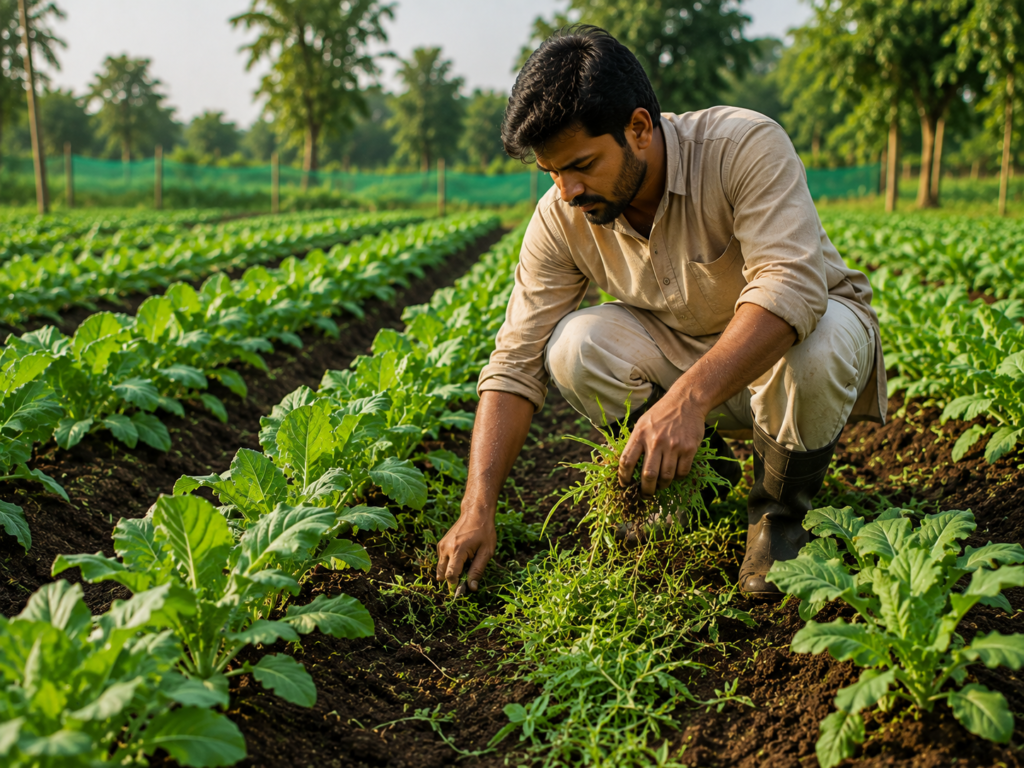
Weeds compete with crops for sunlight, water, nutrients, and growing space. Therefore, if they are not removed early, they can reduce crop growth and overall farm productivity. Moreover, regular weed management is one of the most valuable crop care tips for beginners because it helps crops grow without unnecessary competition.
Some effective weed management practices include:
- Remove weeds before they spread.
- Keep planting rows clean.
- Apply organic mulch where suitable.
- Inspect field edges regularly.
- Remove weeds after rainfall when the soil is soft.
Overall, consistent weed control supports healthier crops and improves growing conditions throughout the season.
Protect Crops from Changing Weather Conditions
Weather conditions can affect crop growth at every stage of development. Excessive heat, heavy rainfall, strong winds, and sudden temperature changes may reduce plant health if proper protection is not provided.
Some useful protective measures include:
- Support tall plants using stakes.
- Improve field drainage before heavy rainfall.
- Provide shade during extreme heat.
- Use wind barriers where necessary.
- Monitor weather forecasts regularly.
Simple weather protection practices help maintain healthy crops and reduce environmental stress.
Plan Seasonal Crop Care Activities
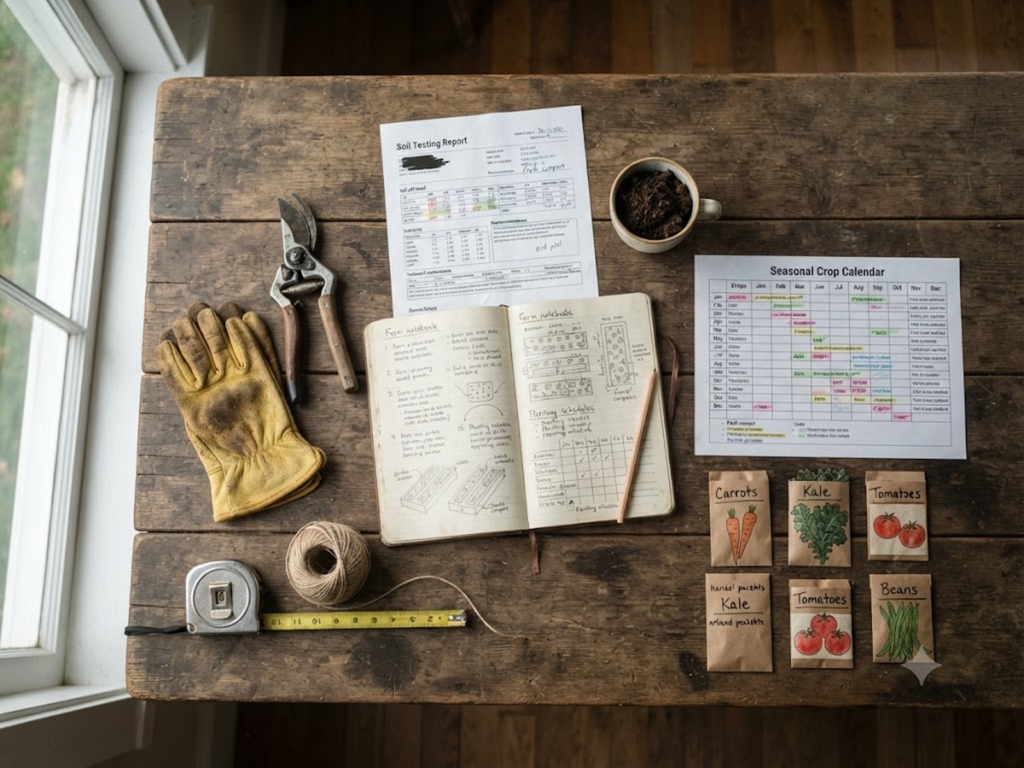
Seasonal planning helps farmers perform important maintenance work at the right time. Instead of reacting to problems later, a planned schedule keeps farming activities organized throughout the year. Following seasonal crop care tips for beginners improves farm management and supports better crop production.
A seasonal crop care plan may include:
- Regular field inspection
- Weed management schedule
- Tool cleaning and maintenance
- Irrigation planning
- Crop monitoring calendar
- Harvest preparation
Good planning improves farming efficiency and supports healthy plant growth.
Crop Care at Nidhi Somal Farms
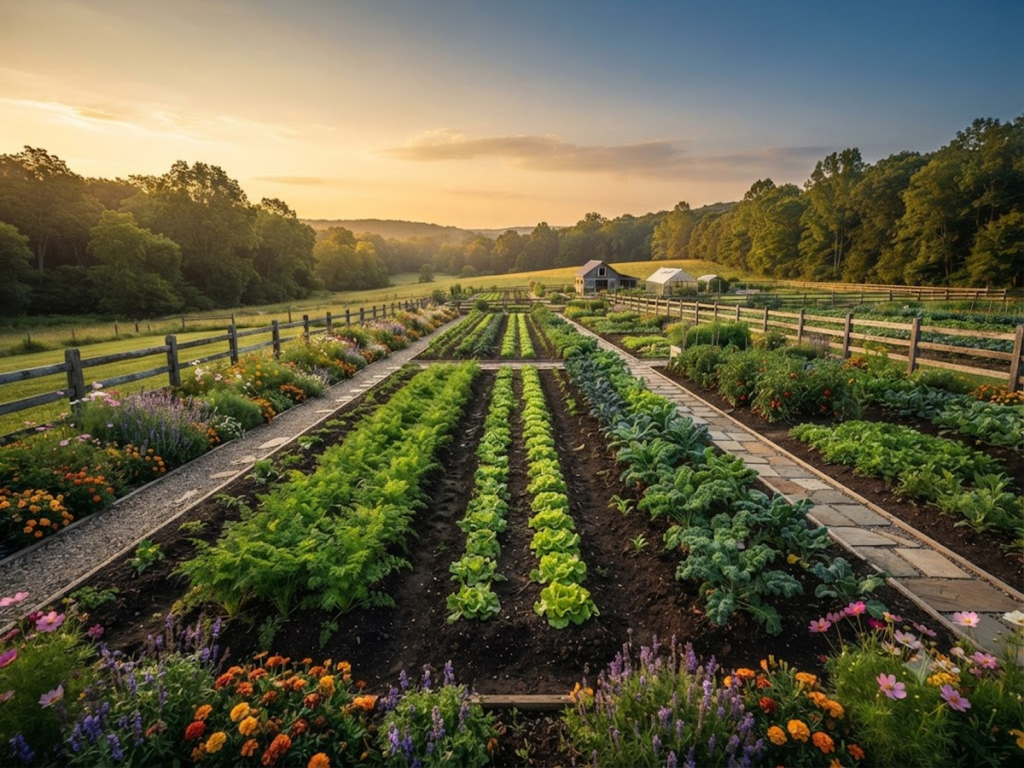
At Nidhi Somal Farms, healthy crop production begins with regular field monitoring, organized maintenance, and sustainable farming practices. We focus on timely crop care, clean farming methods, proper irrigation management, and environmentally responsible agriculture. Our commitment to quality helps produce healthy crops while maintaining long-term soil health and farm productivity.
Conclusion
Healthy farming begins with consistent care and proper planning. By following these crop care tips for beginners, farmers can improve plant health, reduce common field problems, and increase long-term productivity. Regular crop inspection, weed management, weather protection, seasonal planning, and sustainable farming practices all contribute to stronger crops and better harvests. Small improvements made consistently can lead to healthier fields and successful farming throughout the growing season.
Frequently Asked Questions (FAQs)
1. What are the best crop care tips for beginners?
Regular crop inspection, proper watering, weed control, clean farming tools, and seasonal planning are some of the best crop care tips for beginners.
2. Why is regular crop inspection important?
Regular inspection helps identify pests, diseases, weeds, and plant stress early, allowing farmers to take timely action.
3. How often should crops be watered?
Watering depends on crop type, soil condition, and weather. It is generally best to water early in the morning or late in the evening.
4. How can beginners control weeds naturally?
Beginners can control weeds by removing them regularly, applying organic mulch, and maintaining clean planting rows.
5. Why is seasonal planning important in crop care?
Seasonal planning helps farmers organize maintenance activities, improve crop health, and increase overall farm productivity.
For more information or to contact us, kindly visit my Facebook/Instagram page.