Natural Pest Control Methods for Vegetables
Introduction
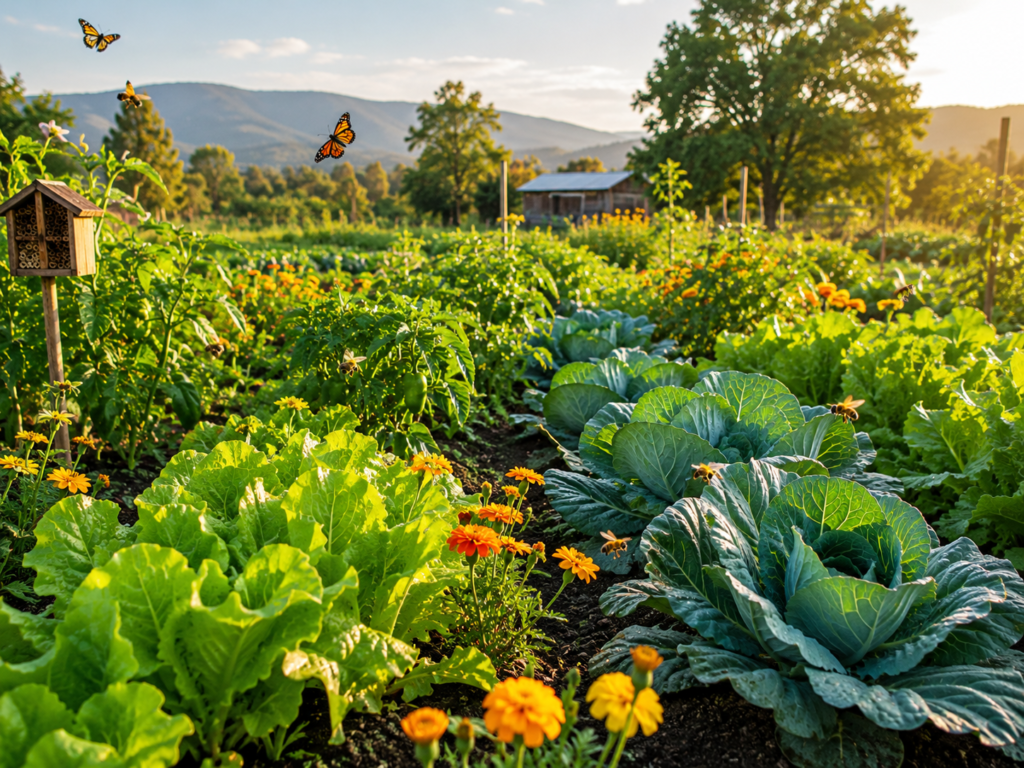
Growing healthy vegetables requires more than proper watering and nutrient-rich soil. Furthermore, pests can quickly damage crops, reduce yields, and affect plant health if they are not managed properly. As a result, instead of relying on harmful chemical pesticides, many gardeners and farmers prefer natural solutions that protect both crops and the environment.
In this guide, you’ll learn natural pest control methods for protecting vegetables that are safe, eco-friendly, and suitable for home gardens as well as organic farms.
Why Natural Pest Control Methods Are Important for Vegetable Gardens
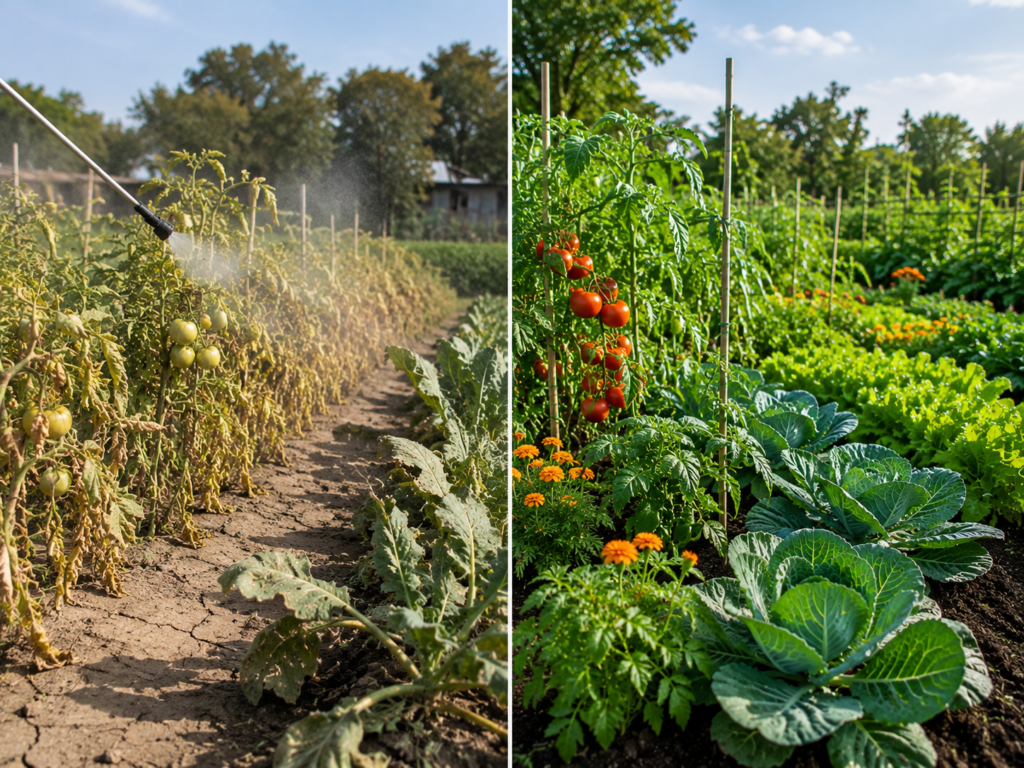
Additionally, natural pest control helps protect vegetables without leaving harmful chemical residues in the soil or on the produce. Moreover, it supports beneficial insects, improves biodiversity, and promotes a healthier farming ecosystem.
Some key benefits include:
- First, keeps vegetables safe for consumption.
- Furthermore, protects beneficial insects like bees and ladybugs.
- In addition, maintains healthy soil organisms.
- Therefore, reduces environmental pollution.
- Finally, supports sustainable farming practices.
Thus, using natural methods encourages long-term crop health while preserving ecological balance.
Natural pest management also works well alongside sustainable farming practices. Learn more about the Benefits of Organic Farming for Health and Environment and how organic agriculture can support healthier crops, natural resources, and long-term agricultural sustainability.
Natural Pest Control Methods That Really Work for Vegetables
However, there are several natural pest control methods that help control pests without harming vegetable plants or the surrounding environment.
Some of the most effective methods include:
Neem Oil Spray
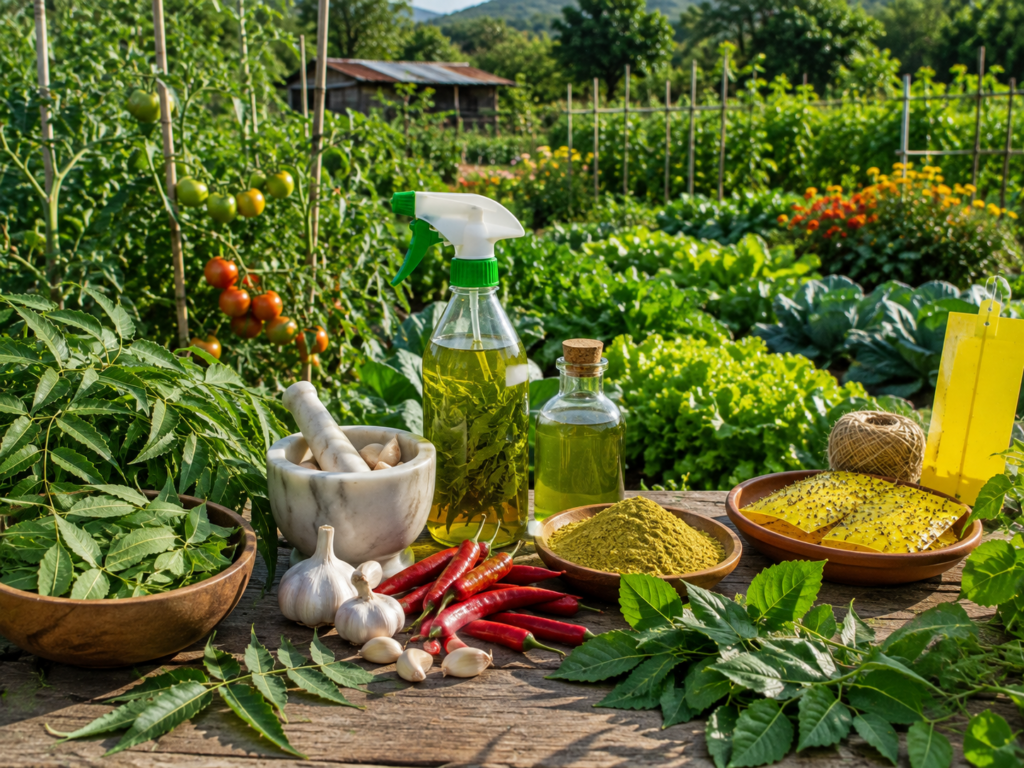
Neem oil is one of the most trusted organic pest control solutions. Therefore, it helps manage aphids, whiteflies, mealybugs, and several other common vegetable pests.
Garlic and Chili Spray
For example, a homemade mixture of garlic and chili creates a strong natural repellent that discourages many chewing and sucking insects from attacking vegetable plants.
Hand Picking
Large insects such as caterpillars, beetles, and snails can be removed manually before they spread throughout the garden.
Soap Water Spray
Additionally, a mild soap solution helps control soft-bodied insects like aphids by disrupting their protective outer layer without causing significant harm to plants when used correctly.
Common Vegetable Pests and Their Natural Solutions
Therefore, different vegetables attract different pests, and identifying them early makes natural pest control more effective. Moreover, using the right organic solution at the right time helps protect vegetable plants while maintaining a healthy garden ecosystem.
Aphids
Aphids are small insects that feed on plant sap and weaken vegetable plants. Consequently, applying neem oil spray is an effective natural solution that helps control aphid populations without harming beneficial insects.
Whiteflies
Whiteflies commonly attack leafy vegetables and reduce plant health by sucking sap from the leaves. As a result, yellow sticky traps combined with neem oil spray provide an effective organic control method.
Caterpillars
Caterpillars feed on leaves and can quickly damage vegetable crops. Therefore, regular hand picking and encouraging birds in the garden help reduce their population naturally.
Mealybugs
Mealybugs gather around stems and leaves, slowing plant growth. In addition, a mild soap water spray helps remove these pests safely without using chemical pesticides.
Snails and Slugs
Snails and slugs create holes in leaves and often damage young vegetable plants. Thus, sprinkling wood ash or crushed eggshells around the plants acts as a natural barrier and helps keep them away.
Companion Planting for Natural Pest Prevention
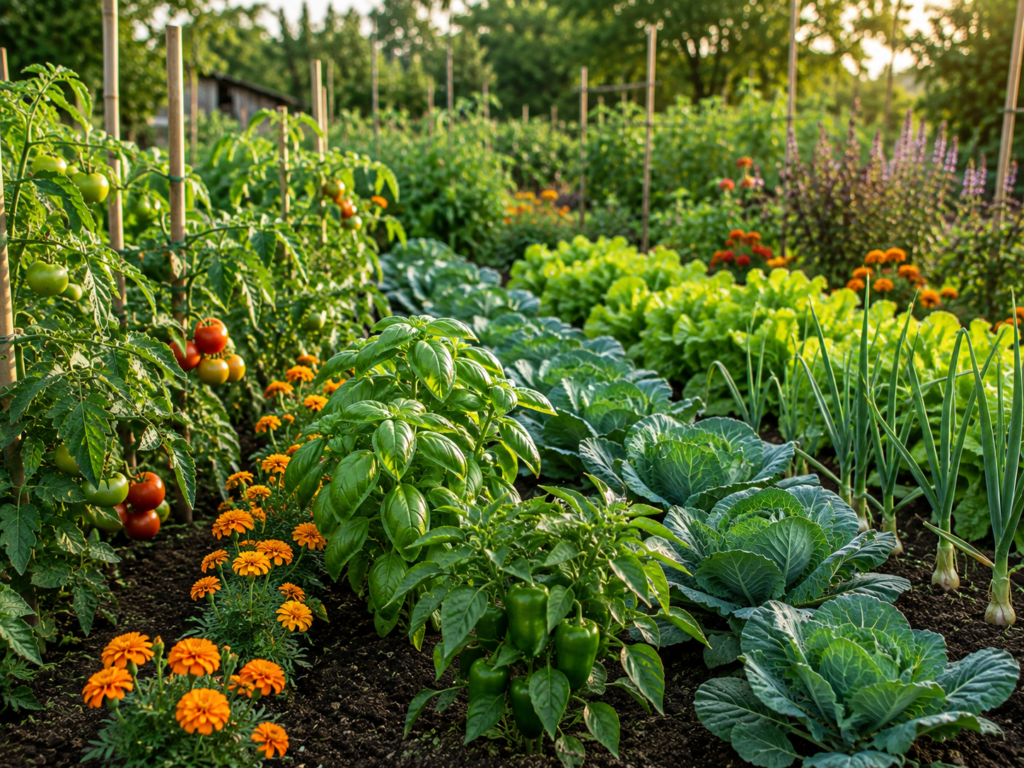
In addition, companion planting is an effective organic gardening technique that helps reduce pest problems naturally. By contrast, growing certain plants together can repel harmful insects while attracting beneficial ones.
Some popular companion planting combinations include:
Marigolds and Tomatoes
Marigolds help repel nematodes, aphids, and whiteflies while adding color to the vegetable garden.
Basil and Peppers
Basil naturally deters flies and mosquitoes and supports healthy pepper plant growth.
Garlic and Leafy Vegetables
Garlic helps repel aphids and other soft-bodied insects, making it an excellent companion for leafy greens.
Mint Near Cabbage Crops
Furthermore, mint can help discourage cabbage moths and ants when planted nearby.
Beneficial Insects That Protect Vegetable Crops
Fortunately, not all insects are harmful. In fact, many insects naturally feed on common vegetable pests and help maintain a healthy garden ecosystem.
Some beneficial insects include:
Ladybugs
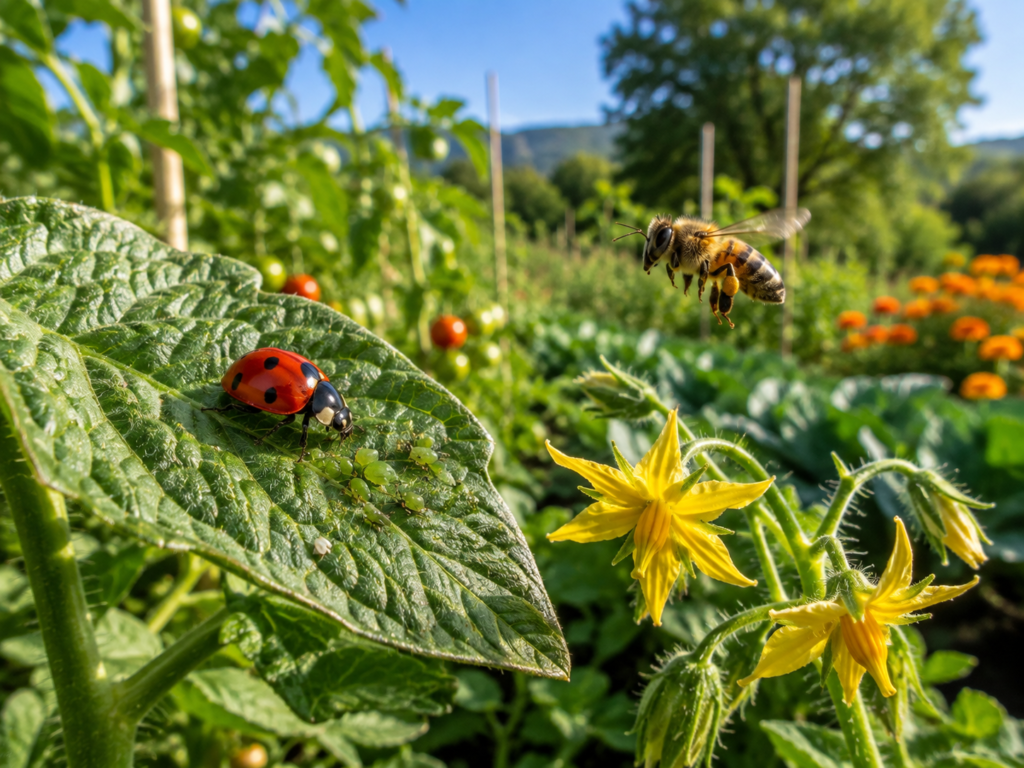
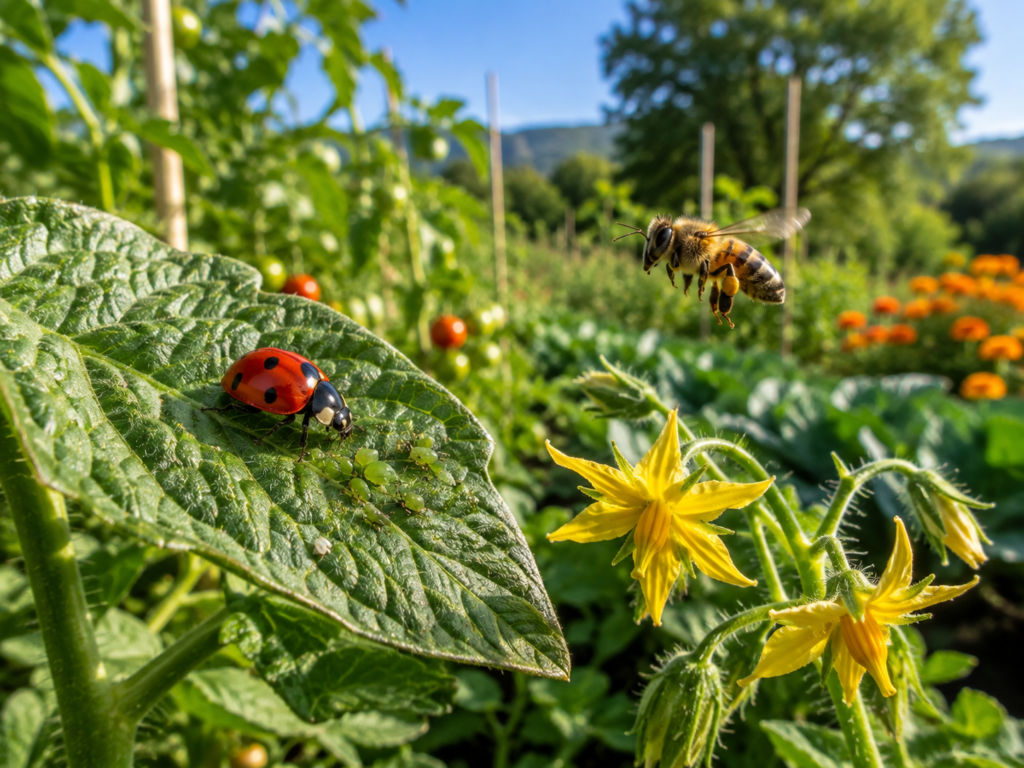
Ladybugs feed on aphids, whiteflies, and other soft-bodied pests that damage vegetable plants.
Lacewings
Lacewing larvae consume aphids, mealybugs, thrips, and small caterpillars, making them valuable natural predators.
Praying Mantises
These insects feed on various garden pests and help maintain ecological balance.
Bees
Although bees are not pest controllers, they play an essential role in pollination, improving vegetable production and crop quality.
Common Mistakes to Avoid in Organic Pest Control
Natural pest management works best when applied correctly. Avoiding common mistakes can improve its effectiveness and keep vegetable plants healthy.
Some mistakes to avoid include:
- Waiting too long before treating pest infestations.
- Applying organic sprays during the hottest part of the day.
- Overusing homemade pest control solutions.
- Ignoring regular garden inspection.
- Removing beneficial insects along with harmful pests.
- Planting vegetables too close together, reducing air circulation.
Regular monitoring and timely action help prevent pests from spreading throughout the garden.
Conclusion
Protecting vegetables naturally is one of the best ways to support healthy crops, fertile soil, and a balanced ecosystem. By using neem oil, companion planting, beneficial insects, and other organic techniques, gardeners and farmers can effectively manage pests without relying on harmful chemicals.
Following natural pest control methods helps produce healthier vegetables, protects beneficial organisms, and supports sustainable farming practices for long-term success.
Frequently Asked Questions (FAQs)
1. What is the best natural pest control method for vegetables?
Neem oil, companion planting, beneficial insects, and homemade garlic or chili sprays are among the most effective natural pest control methods.
2. Is neem oil safe for vegetable plants?
Yes. When used according to the recommended dilution, neem oil is widely used in organic farming to manage many common vegetable pests.
3. How often should natural pest control sprays be applied?
Most organic sprays can be applied every 7–10 days or after heavy rainfall, depending on pest activity and plant condition.
4. Which insects are beneficial for vegetable gardens?
Ladybugs, lacewings, praying mantises, and pollinators like bees help maintain a healthy garden ecosystem.
5. Can companion planting reduce pest problems?
Yes. Growing compatible plants together can naturally repel harmful insects and attract beneficial insects, reducing pest pressure without chemical pesticides.
For more information or to contact us, kindly visit my Facebook/Instagram page.