
How to Improve Soil Fertility Naturally
Introduction
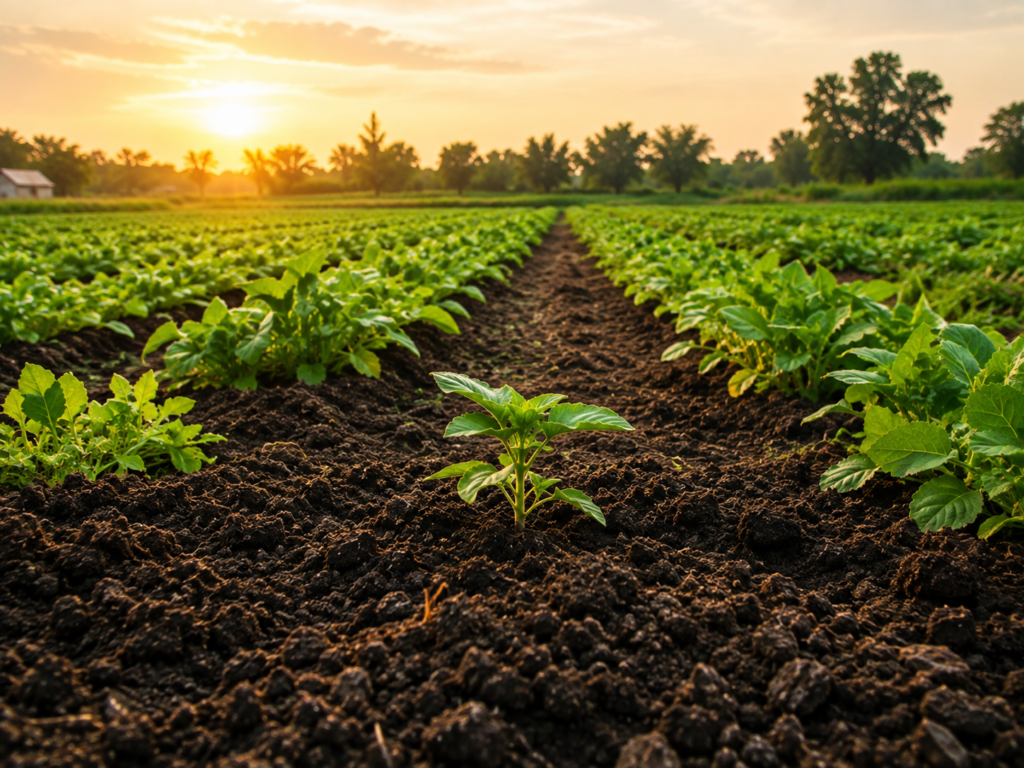
Healthy soil is the foundation of successful farming. Crops grow stronger, produce better yields, and become more resistant to pests and diseases when they receive essential nutrients from fertile soil. Instead of relying heavily on chemical fertilizers, many farmers are choosing natural methods that improve soil health while protecting the environment.
In this guide, you’ll learn how to improve soil fertility naturally using sustainable practices that enrich the soil, increase organic matter, and support long-term productivity. These methods are suitable for home gardens, kitchen gardens, and organic farms.
Why Soil Fertility Matters for Healthy Crop Growth
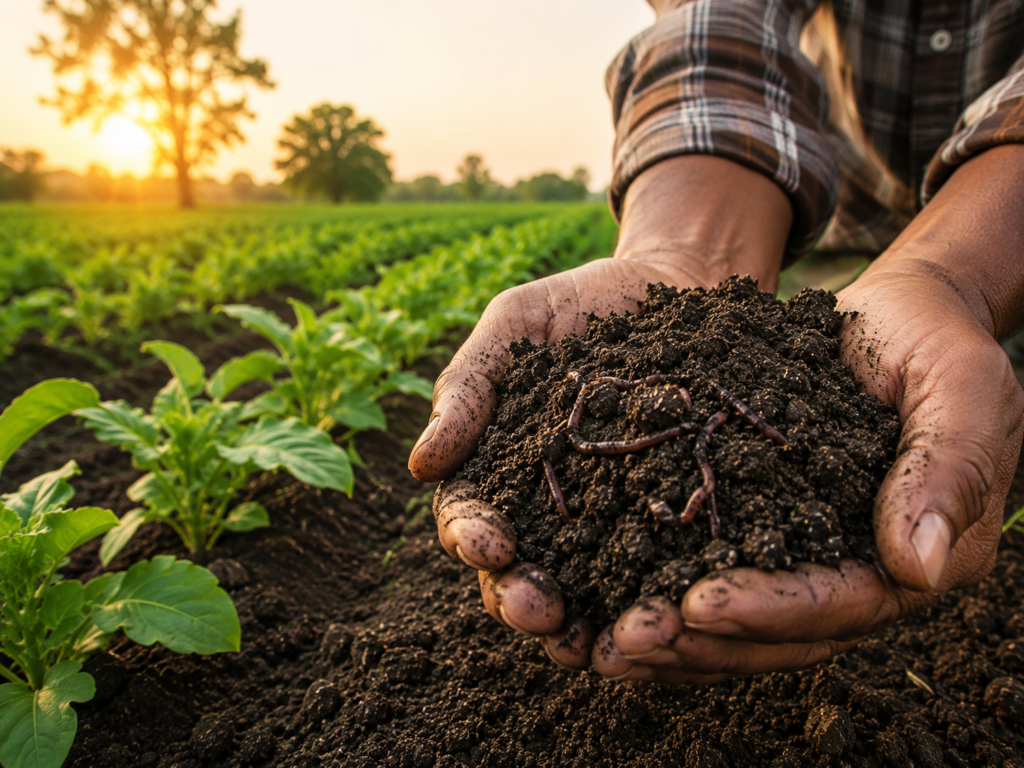
Soil fertility is the ability of soil to provide plants with the nutrients, moisture, and biological support they need for healthy growth. As a result, fertile soil encourages stronger roots, healthier plants, and better crop production throughout the growing season.
Additionally, healthy soil also offers several important benefits:
- Supports beneficial microorganisms
- Improves water retention
- Enhances root development
- Reduces nutrient loss
- Increases long-term farm productivity
As a result, when soil remains healthy, plants become more resilient to environmental stress and produce better-quality fruits, vegetables, and grains.
Healthy soil is the foundation of successful vegetable farming, but protecting crops from harmful insects is equally important. Read our Natural Pest Control Methods for Vegetables guide to discover safe and effective ways to manage pests without using harmful chemicals.
How to Improve Soil Fertility Naturally with Organic Matter
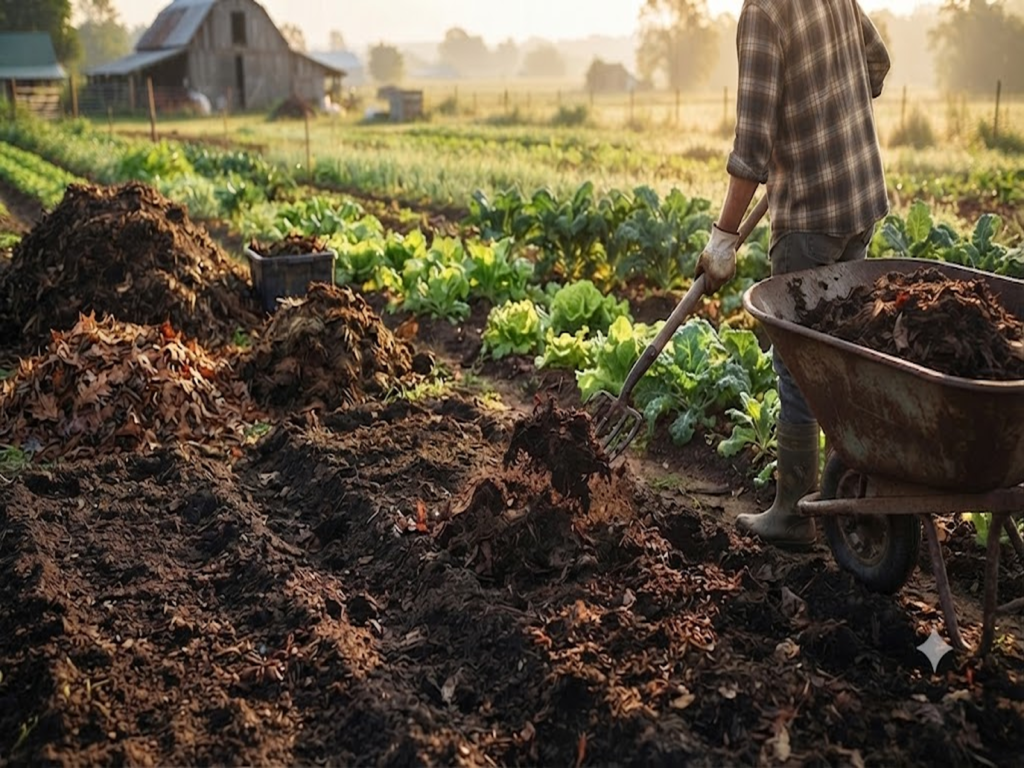
Organic matter is one of the most effective and sustainable ways to improve soil fertility naturally. It enriches the soil with essential nutrients, enhances its structure, and creates a healthy environment for beneficial microorganisms. Materials such as compost, farmyard manure, vermicompost, leaf mulch, and crop residues gradually break down over time. As they decompose, they release essential nutrients and improve the overall structure of the soil.
For example, some excellent sources of organic matter include:
- Well-decomposed compost
- Farmyard manure
- Vermicompost
- Leaf mulch
- Crop residues
In addition, regular application of organic matter improves soil texture, increases microbial activity, and helps the soil retain moisture for longer periods.
Therefore, apply compost before planting and mix it evenly into the top layer of soil for the best results.
Natural Methods That Keep Soil Rich and Productive
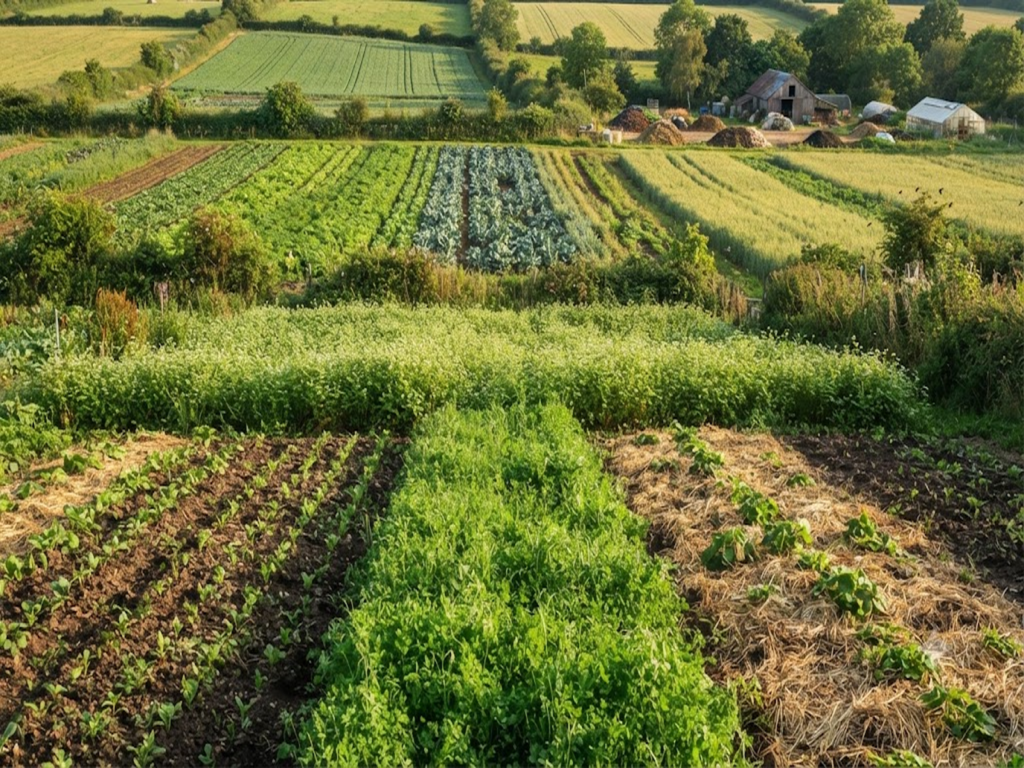
Healthy soil requires continuous care. Therefore, farmers should follow several sustainable practices to maintain soil fertility over the long term.
Crop Rotation
Growing different crops in different seasons prevents nutrient depletion and helps maintain a balanced soil ecosystem. In addition, it reduces the risk of pests and diseases.
Green Manure Crops
Plants such as sunhemp, cowpea, and clover are grown specifically to enrich the soil. Once they are incorporated into the ground, they increase organic matter and naturally add nitrogen. As a result, soil fertility improves over time.
Mulching
Reducing unnecessary tillage helps preserve soil structure and protects beneficial microorganisms. Additionally, it minimizes soil erosion, improves water retention, and supports long-term soil fertility.
Reduced Soil Disturbance
Reducing unnecessary tillage helps preserve soil structure and protects beneficial microorganisms. Additionally, it minimizes soil erosion, improves water retention, and supports long-term soil fertility.
Best Organic Fertilizers for Healthy Soil
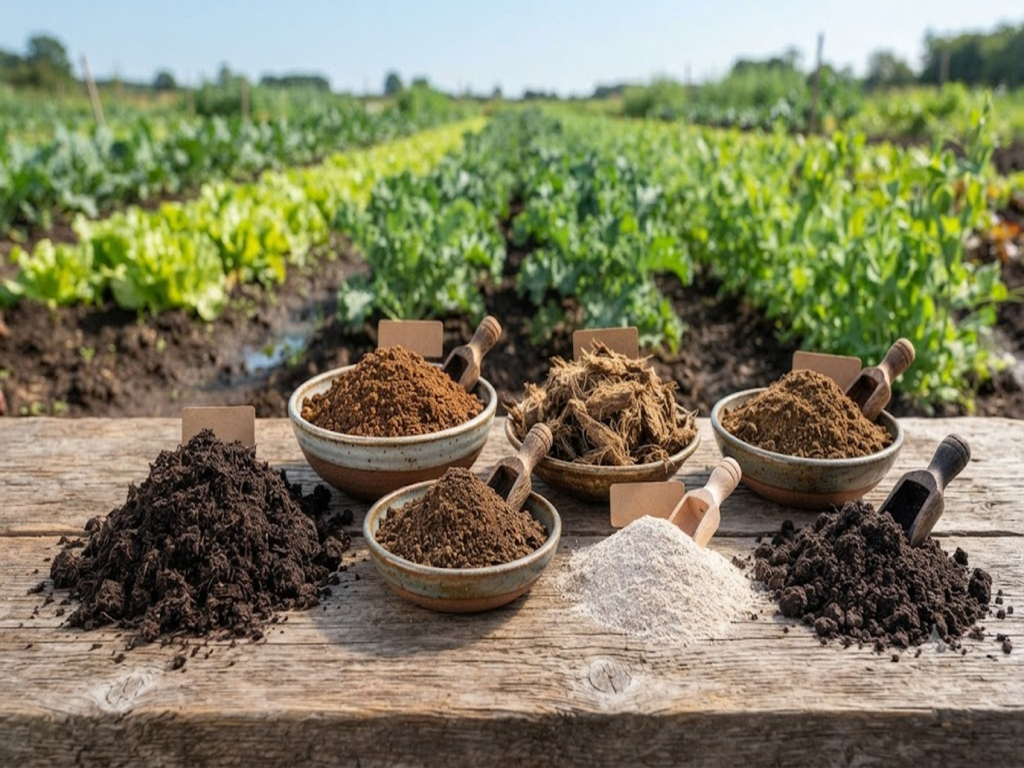
Organic fertilizers nourish the soil naturally while improving its structure and biological activity. Unlike synthetic fertilizers, they release nutrients gradually. As a result, they support healthy plant growth over time.
Some of the most effective organic fertilizers include:
Compost
Compost is rich in essential nutrients and beneficial microorganisms. Moreover, it improves soil texture, enhances moisture retention, and supports long-term soil health.
Vermicompost
Produced by earthworms, vermicompost is an excellent source of organic nutrients. Additionally, it encourages root development, improves soil aeration, and increases microbial activity.
Farmyard Manure
Similarly, well-decomposed farmyard manure adds organic matter to the soil and improves its fertility.
Bone Meal and Neem Cake
In addition, bone meal provides phosphorus for strong root growth, while neem cake improves soil quality and helps protect plants from certain soil-borne pests.
Sustainable Farming Practices for Long-Term Soil Health
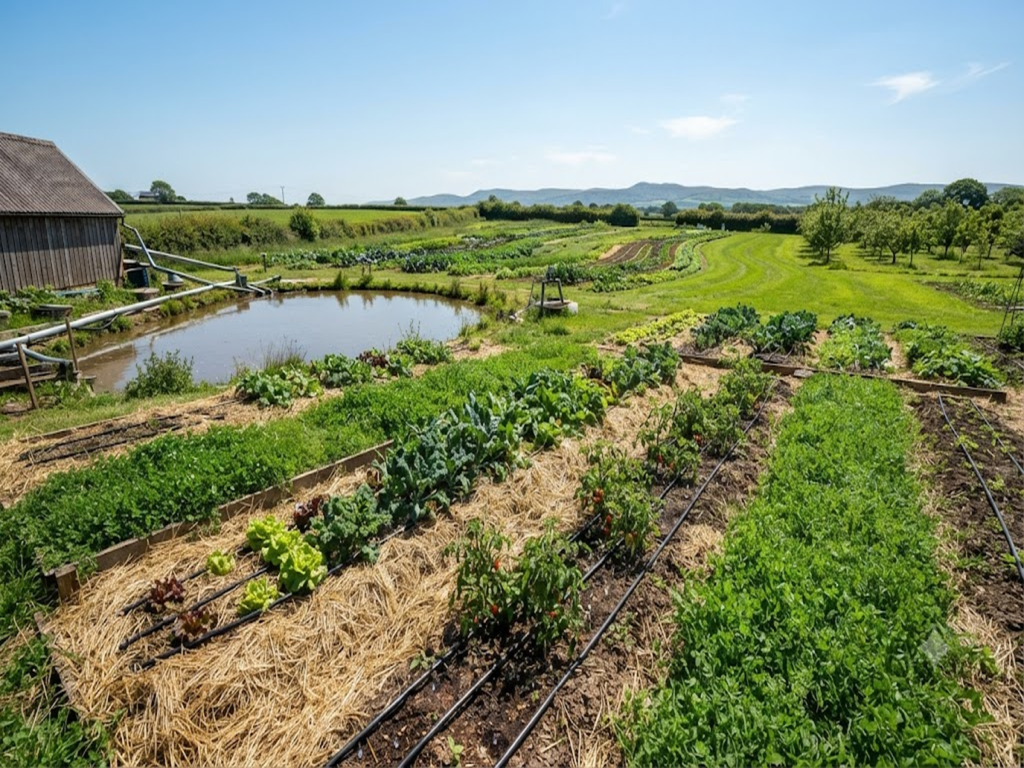
Maintaining fertile soil requires consistent care and environmentally friendly farming methods. Sustainable practices protect the soil while ensuring productive harvests year after year.
For example, some effective sustainable farming practices include:
- Planting cover crops during the off-season
- Conserving rainwater for irrigation
- Avoiding excessive chemical fertilizers
- Encouraging beneficial soil organisms
- Maintaining proper soil moisture
- Using organic mulches regularly
These practices improve soil structure and help create a healthier farming ecosystem. Therefore, farmers should adopt them consistently for long-term soil productivity.
Common Mistakes That Reduce Soil Fertility
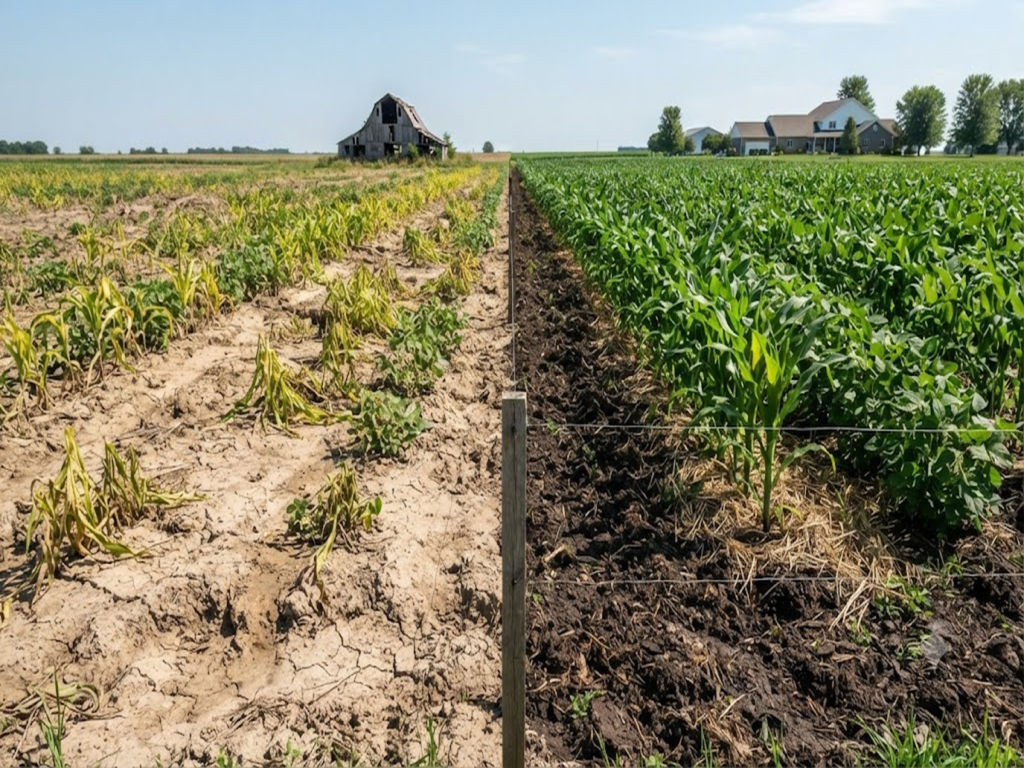
Many farmers unintentionally reduce soil fertility by following practices that damage soil health over time.
However, some common mistakes include:
- Overusing chemical fertilizers
- Burning crop residues
- Ignoring soil testing
- Excessive tillage
- Leaving soil uncovered for long periods
- Growing the same crop repeatedly without rotation
Avoiding these mistakes helps preserve nutrients and supports healthier crop production. As a result, farmers can maintain fertile soil and achieve better harvests over time.
Conclusion
Healthy soil is the key to successful and sustainable farming. By using compost, organic fertilizers, crop rotation, mulching, and other eco-friendly practices, farmers can naturally improve soil quality and maintain productivity for years to come.
Furthermore, learning how to improve soil fertility naturally not only benefits crop growth but also protects the environment, conserves natural resources, and supports long-term agricultural sustainability. Ultimately, small improvements made today can lead to healthier soil and better harvests in the future.
Frequently Asked Questions (FAQs)
1. What is the best natural way to improve soil fertility?
Adding compost, vermicompost, and well-decomposed farmyard manure are among the most effective natural methods for improving soil fertility.
2. How often should organic compost be added to the soil?
Most farms and gardens benefit from adding compost once or twice a year, depending on the soil condition and crop requirements.
3. Why is crop rotation important for soil health?
Crop rotation prevents nutrient depletion, reduces pest and disease problems, and helps maintain balanced soil fertility.
4. Can mulching improve soil fertility?
Yes. Organic mulch gradually decomposes, adds organic matter, conserves moisture, suppresses weeds, and improves soil structure.
5. Is natural soil improvement better than chemical fertilizers?
Natural methods improve soil health over the long term by increasing organic matter and supporting beneficial microorganisms, while excessive chemical fertilizer use may reduce soil quality over time.
For more information or to contact us, kindly visit my Facebook/Instagram page.