Essential Crop Care Tips for Healthy Plant Growth
Introduction
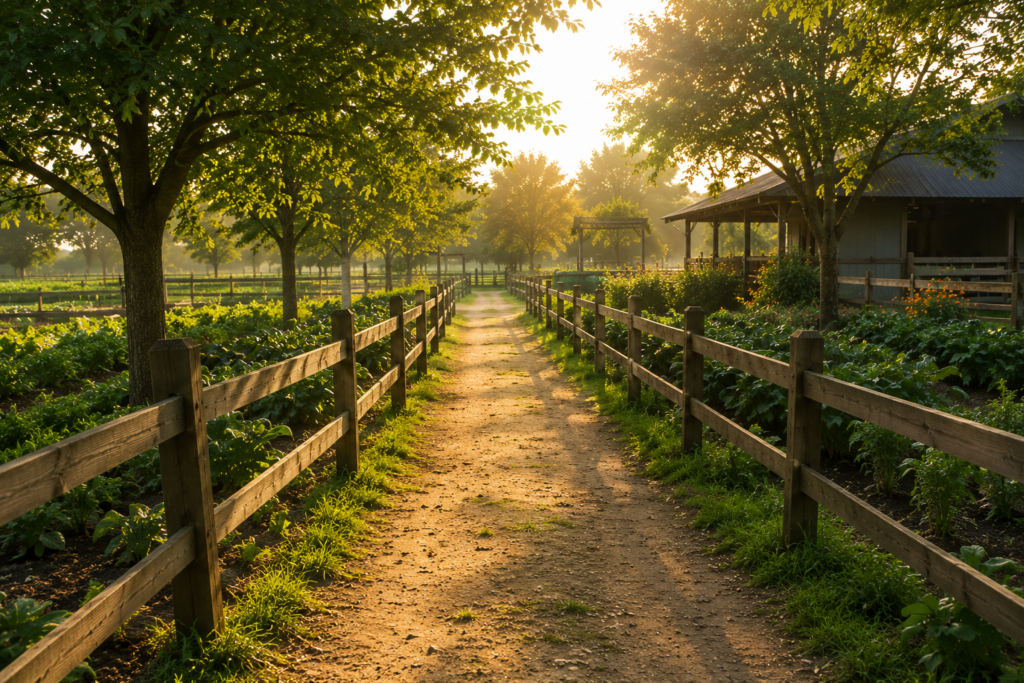
Crop care is an ongoing process that continues from the day crops are planted until the final harvest. Every stage of plant development requires attention, proper maintenance, and timely field management. Clean farming practices, organized maintenance schedules, and protection from environmental challenges help plants grow stronger and remain productive throughout the season. Following essential crop care practices not only improves farm management but also creates a healthier growing environment for long-term agricultural success.
Organize Daily Farm Maintenance Activities
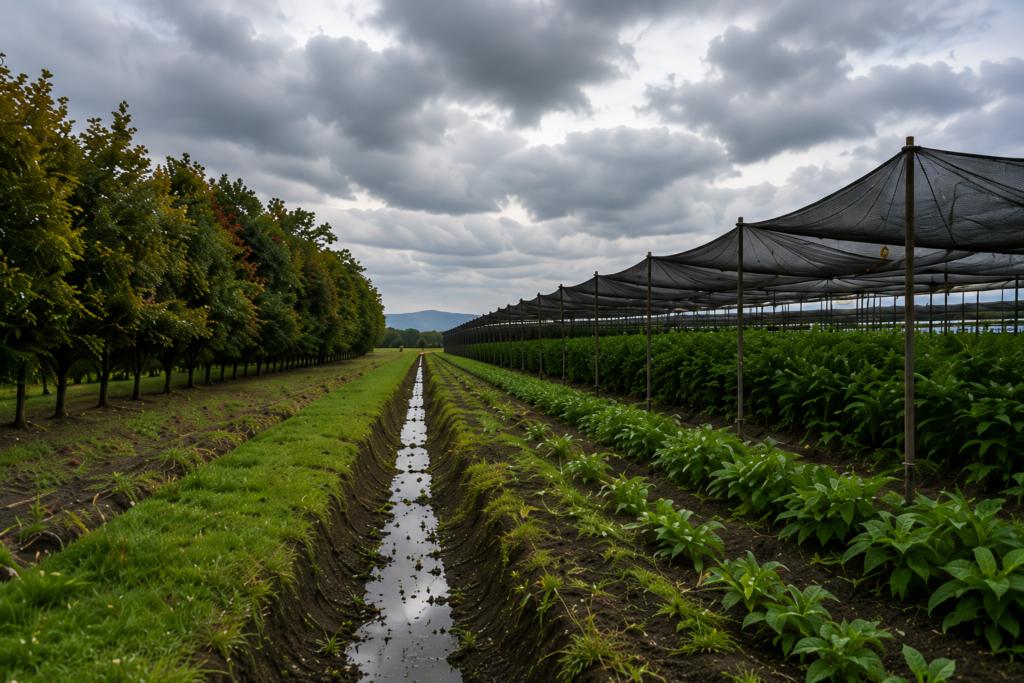
Supporting plants, improving drainage, providing shade during extreme heat, and using natural wind protection help reduce weather stress.
Well-organized farm maintenance helps crops remain healthy throughout the growing season. Small daily tasks performed consistently reduce unnecessary problems and improve overall field management.
Important daily activities include:
- Walking through different crop sections.
- Checking plant appearance.
- Removing dry plant debris.
- Observing field cleanliness.
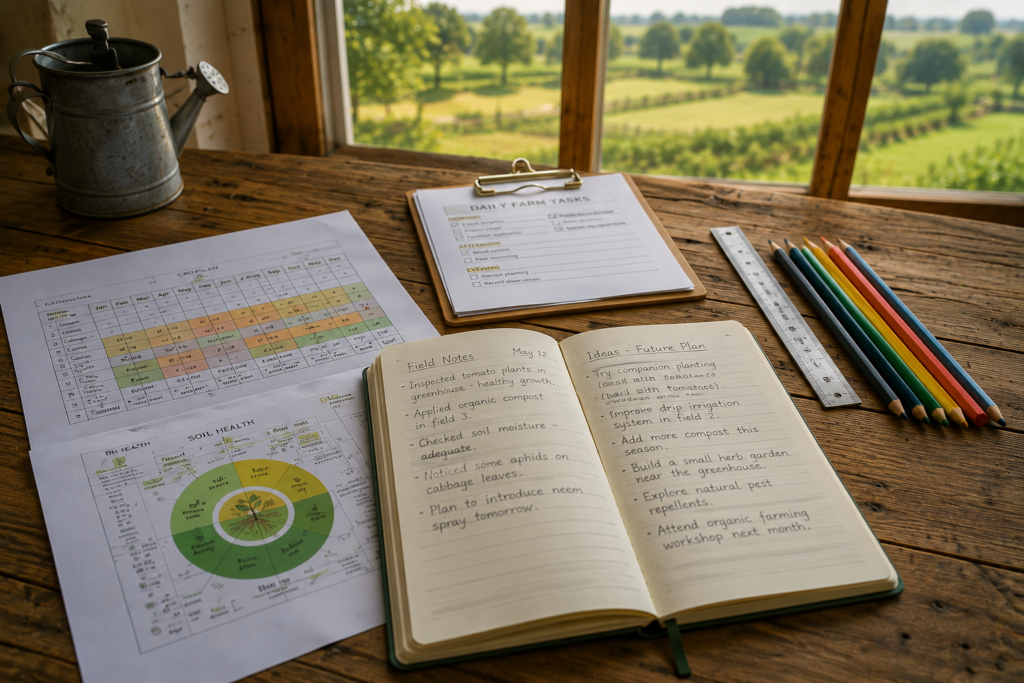
- Recording important farming observations.
A structured maintenance routine helps farmers manage crops more efficiently.
Keep Farming Tools Clean and Well Maintained
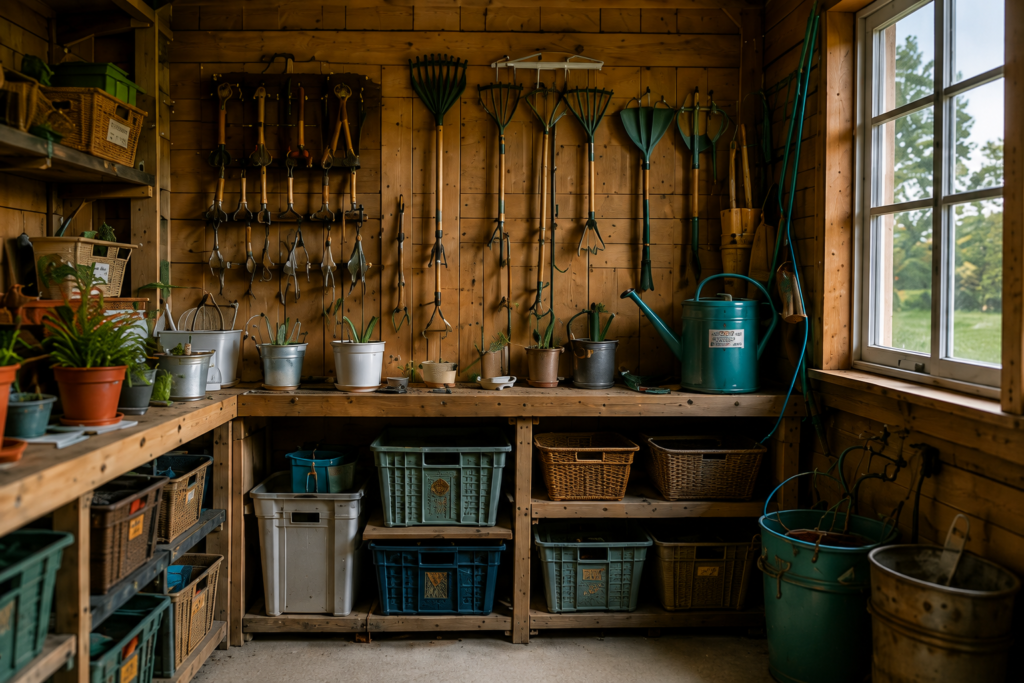
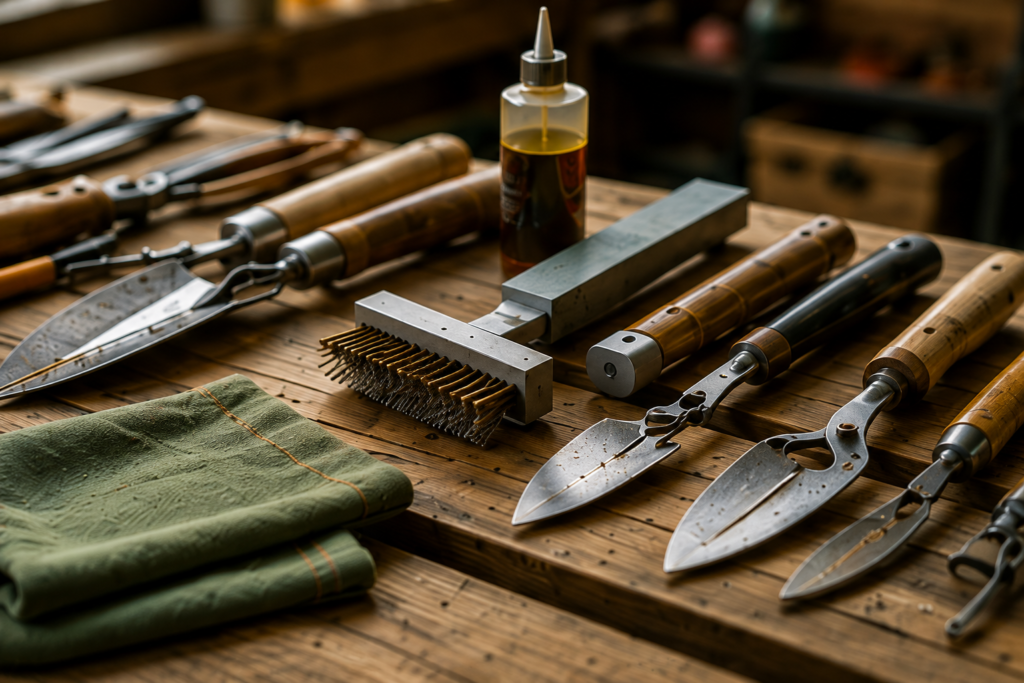
Farming equipment is used throughout planting, maintenance, pruning, and harvesting. Clean and properly maintained tools improve work efficiency and support better crop care.
Recommended practices include:
- Cleaning tools after every use.
- Removing soil and plant residue.
- Sharpening cutting equipment regularly.
- Storing tools in clean, dry conditions.
Well-maintained equipment supports safer and more effective farming operations.
Manage Weed Growth Before It Becomes a Problem
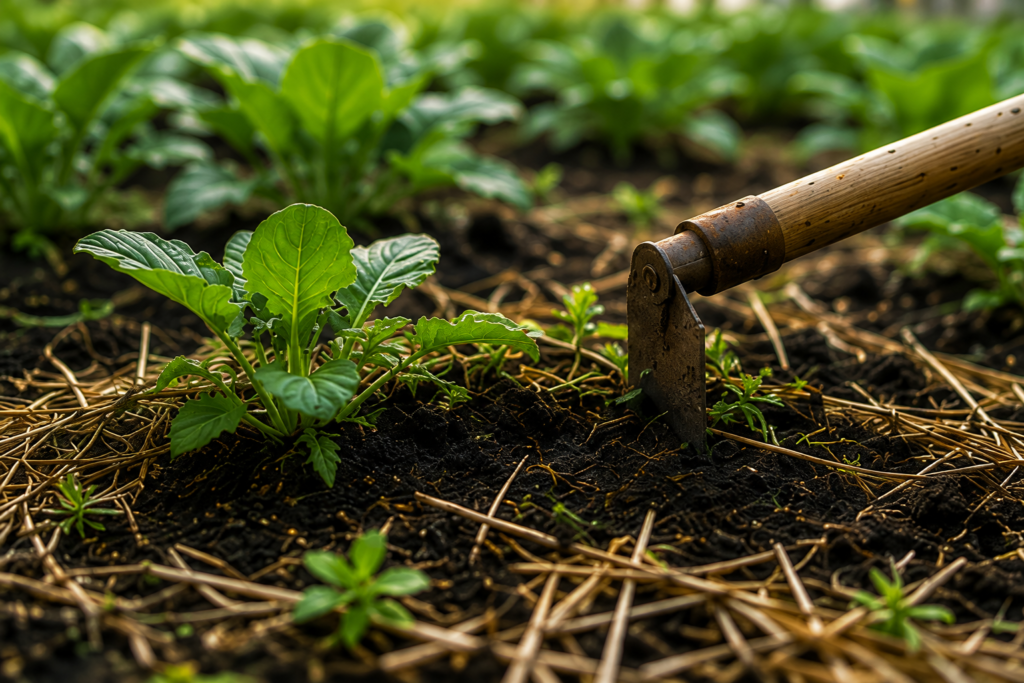
Weeds compete with crops for sunlight, space, and growing resources. Early weed management allows crops to grow without unnecessary competition.
Farmers should:
- Remove young weeds regularly.
- Apply natural mulch where suitable.
- Keep planting rows clean.
- Monitor field edges for new weed growth.
Proper weed management supports stronger plant development.
Protect Crops from Changing Weather Conditions
Changing weather conditions can place stress on crops during different growing stages. Preventive protection helps reduce environmental damage and supports healthy development.
Protective measures include:
- Supporting taller plants.
- Improving drainage before heavy rainfall.
- Providing shade during excessive heat.
- Using natural wind protection where necessary.
Simple precautions help crops remain healthy under varying weather conditions.
Reduce Plant Stress Through Proper Care
Plants grow better when they experience stable growing conditions. Physical damage, sudden environmental changes, or irregular maintenance may reduce healthy plant development.
Good crop care includes:
- Avoiding unnecessary disturbance.
- Keeping growing areas clean.
- Maintaining stable field conditions.
- Removing damaged plant parts when necessary.
Reducing plant stress encourages stronger and healthier crops.
Plan Seasonal Farm Maintenance Activities
Seasonal planning helps farmers complete important maintenance work at the right time instead of reacting after problems appear.
A seasonal maintenance plan may include:
- Field cleaning schedules.
- Pruning activities.
- Plant support maintenance.
- Equipment inspection.
- Crop care calendar updates.
Proper planning improves overall farm organization and productivity.
Responsible Crop Care at Nidhi Somal Farms
At Nidhi Somal Farms, crop care is guided by consistency, cleanliness, and sustainable farming practices. Regular maintenance, organized seasonal planning, clean farming equipment, and careful field observation help maintain healthy plant growth throughout the season. Our approach focuses on producing fresh, high-quality farm products while supporting environmentally responsible agriculture.
Conclusion
Healthy plant growth depends on consistent crop care rather than occasional maintenance. Organized daily activities, clean farming equipment, timely weed management, weather protection, and seasonal planning all contribute to stronger crops and better farm productivity. By following these essential crop care practices, farmers can maintain healthier fields while supporting sustainable agricultural development.
Frequently Asked Questions (FAQs)
1. Why is regular crop care important?
Regular crop care helps maintain healthy plants, improves field management, and supports consistent crop development.
2. How often should farming tools be cleaned?
Tools should be cleaned after every use and inspected regularly to maintain safe and efficient farming practices.
3. Why should weeds be removed early?
Early weed removal prevents competition for sunlight, space, and essential growing resources.
4. How can farmers reduce weather-related crop damage?
Supporting plants, improving drainage, providing shade during extreme heat, and using natural wind protection help reduce weather stress.
5. Where can I learn how to improve crop quality naturally?
You can also read our related article How Farmers Can Improve Crop Quality Naturally to discover sustainable techniques for producing healthier and premium-quality crops.