The Future of Organic Farming in Modern Agriculture

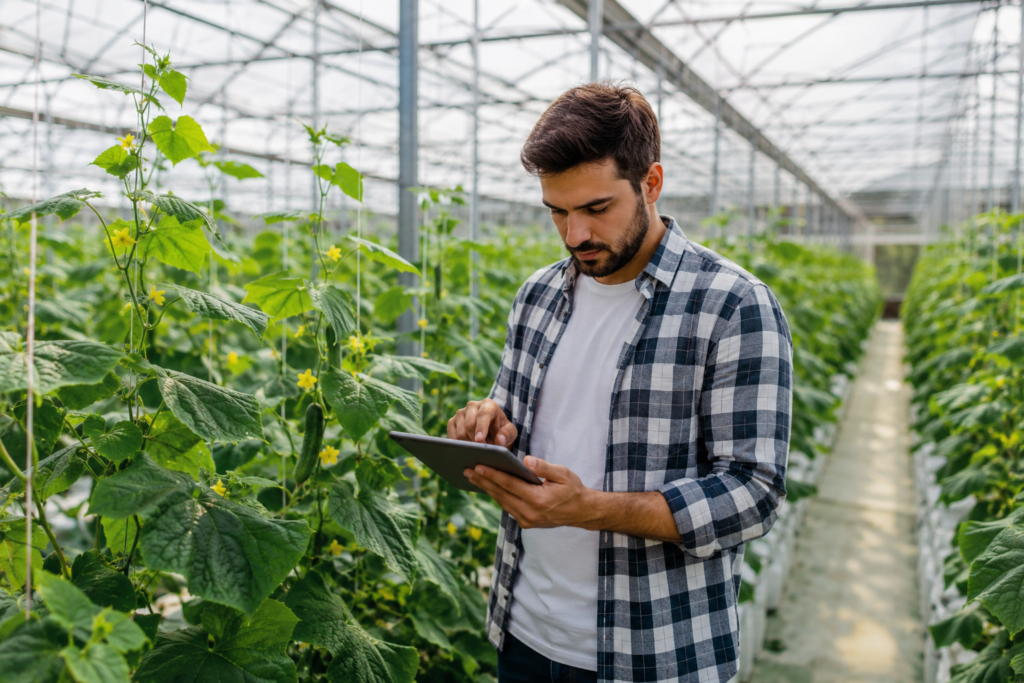
Young organic farmer using a digital tablet to monitor healthy crops inside a modern greenhouse
A young organic farmer uses smart digital technology inside a modern greenhouse to monitor healthy crops and support sustainable farming practices.

Introduction

Modern agriculture is evolving rapidly as farmers and consumers seek more sustainable ways to produce food. Growing environmental concerns, changing climate conditions, and increasing awareness about healthy living have made organic farming an important part of the future of agriculture. Instead of relying heavily on synthetic chemicals, modern organic farming combines traditional agricultural knowledge with innovative technologies to create a more sustainable food system.

At Nidhi Somal Farms, we believe that the future of farming lies in balancing natural farming practices with modern agricultural advancements. By adopting responsible techniques and protecting natural resources, organic farming can continue to meet the needs of future generations.

Why Organic Farming is the Future of Agriculture

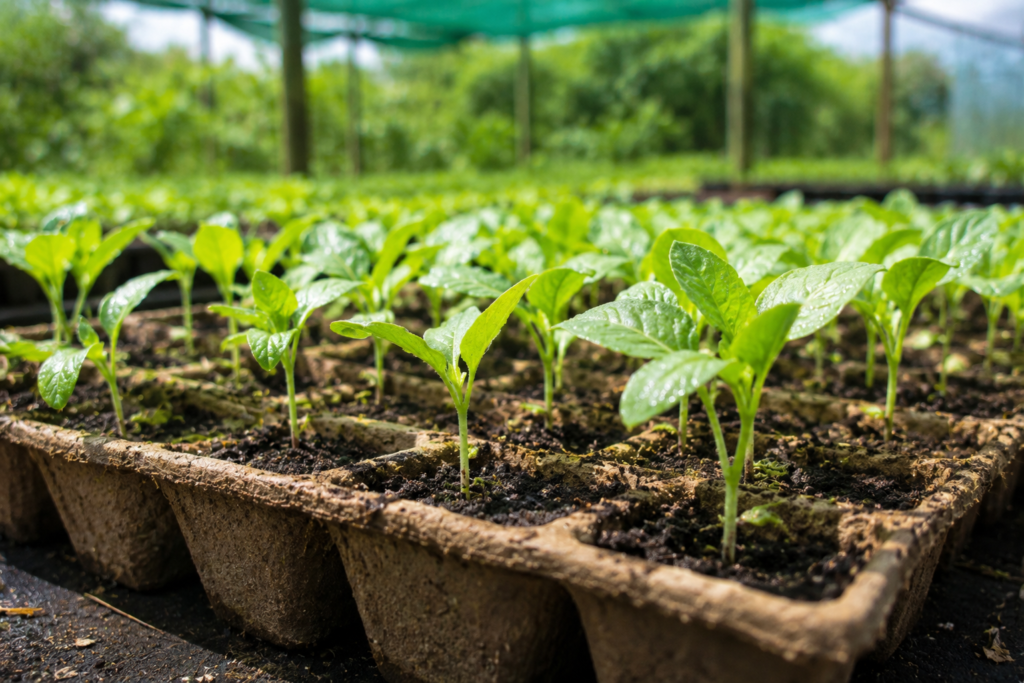
Healthy organic seedlings growing in biodegradable nursery trays under a shade-net nursery

Organic farming offers a sustainable solution to many of the challenges faced by modern agriculture. It promotes healthier soil, cleaner water, safer food production, and long-term environmental protection while supporting responsible farming practices.

As global demand for chemical-free food continues to rise, organic farming is becoming an essential part of future agricultural development.

Modern Technologies Supporting Organic Farming

Smart Irrigation Systems

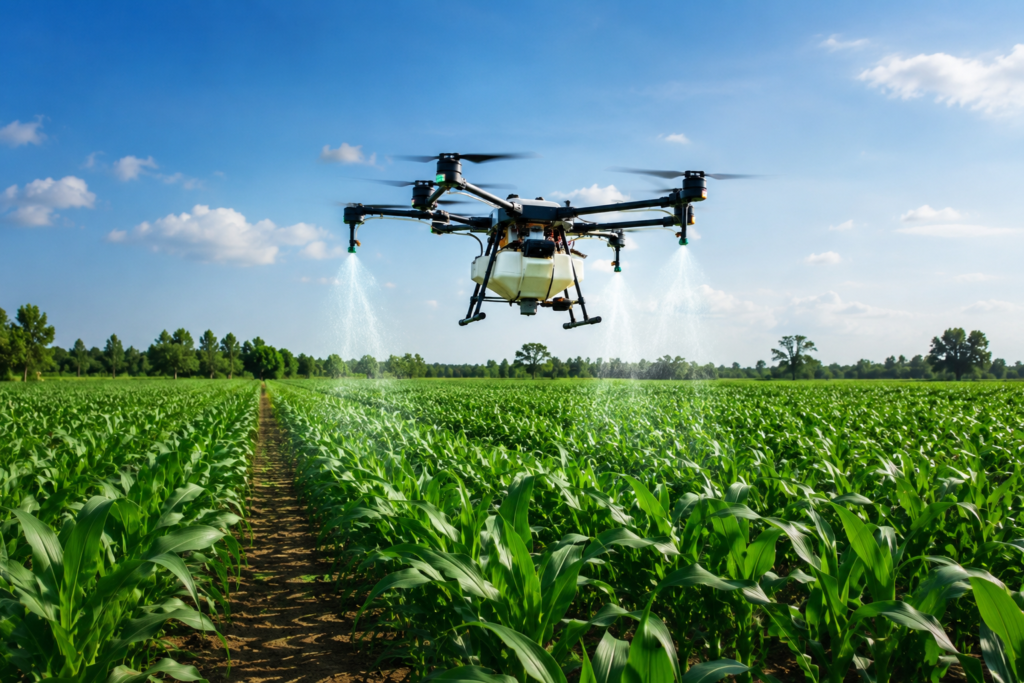
Modern irrigation technologies help farmers use water more efficiently while maintaining healthy crop growth. Drip irrigation and automated watering systems reduce water wastage and improve productivity.

Precision Farming

Farmers are increasingly using sensors, weather forecasting, and data analysis to make better farming decisions. These technologies help monitor crop health while minimizing unnecessary resource usage.

Eco-Friendly Farm Equipment

New farming equipment is being designed to reduce fuel consumption and support environmentally responsible agricultural practices.

Sustainable Farming Practices for the Future

Eco-friendly drip irrigation system watering healthy organic vegetable crops in a sustainable farm

Improving Soil Naturally

Healthy soil remains the foundation of successful organic farming. Composting, crop rotation, and natural fertilizers improve soil fertility while maintaining long-term productivity.

Conserving Natural Resources

Organic farming encourages efficient use of water, energy, and land resources, helping preserve valuable ecosystems for future generations.

Encouraging Biodiversity

Growing different crops and protecting beneficial insects creates stronger ecosystems that naturally support healthy agricultural production.

Benefits of Innovation in Organic Farming

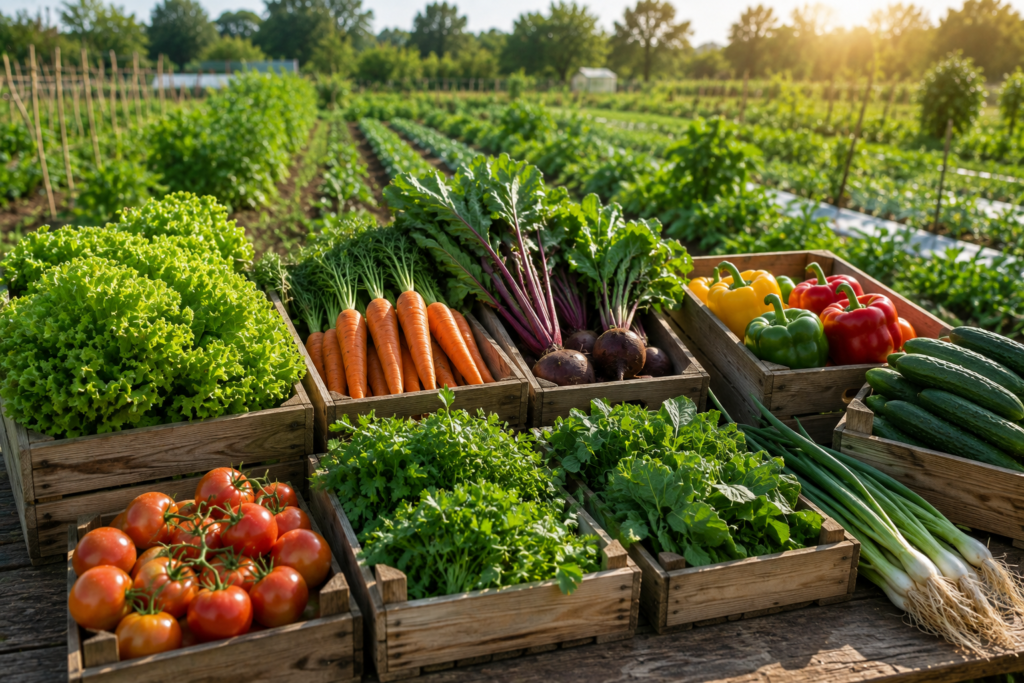
Freshly harvested organic vegetables displayed in wooden crates after sustainable farm production

Modern innovation makes organic farming more efficient without compromising its natural principles. Farmers can improve crop monitoring, increase productivity, reduce waste, and maintain consistent quality while continuing to protect the environment.

Technology also helps farmers make informed decisions that improve farm management and support sustainable agricultural growth.

Consumer Demand is Driving the Future

Professional chef selecting fresh organic vegetables for healthy and sustainable food preparation

Consumers today are more informed about food quality and environmental sustainability than ever before. Many people actively choose products that are naturally grown, responsibly produced, and environmentally friendly.

This growing demand encourages more farmers to adopt organic farming methods and invest in sustainable agricultural practices.

The Future of Organic Farming at Nidhi Somal Farms

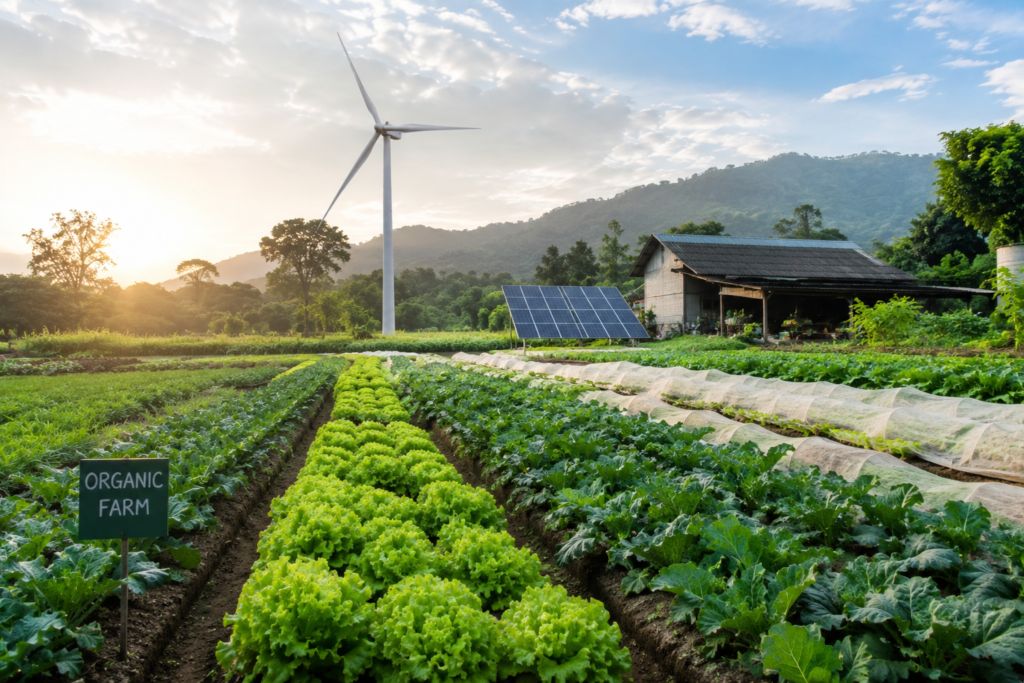
Sustainable organic farm landscape with young fruit trees, wooden pathway, and eco-friendly farming environment

At Nidhi Somal Farms, we believe that sustainable agriculture requires continuous learning and responsible innovation. By combining environmentally friendly farming methods with modern agricultural knowledge, we aim to grow fresh, high-quality produce while protecting natural resources for future generations.

Our commitment is to support farming practices that benefit both people and the environment while contributing to a healthier and more sustainable future.

Conclusion

The future of organic farming is closely connected with sustainable agriculture, responsible innovation, and environmental conservation. As technology continues to improve farming practices and consumer awareness grows, organic agriculture will play an even greater role in global food production.

By embracing modern solutions while respecting nature, farmers can create healthier crops, stronger ecosystems, and a more sustainable future for generations to come.

Frequently Asked Questions (FAQs)

1. Why is organic farming considered the future of agriculture?

Organic farming promotes sustainable food production by improving soil health, conserving natural resources, and reducing environmental impact.

2. Can modern technology be used in organic farming?

Yes. Technologies such as smart irrigation, weather monitoring, and precision farming help improve efficiency while supporting sustainable agricultural practices.

3. How does organic farming help future generations?

It protects soil, water, biodiversity, and natural ecosystems, ensuring that agricultural land remains productive for years to come.

4. Why is consumer demand for organic products increasing?

Consumers are becoming more aware of food quality, environmental sustainability, and the importance of naturally produced food.

5. How is Nidhi Somal Farms preparing for the future of agriculture?

Nidhi Somal Farms focuses on sustainable farming methods, responsible resource management, and continuous improvement to deliver fresh, high-quality produce while protecting the environment.

Scroll to Top