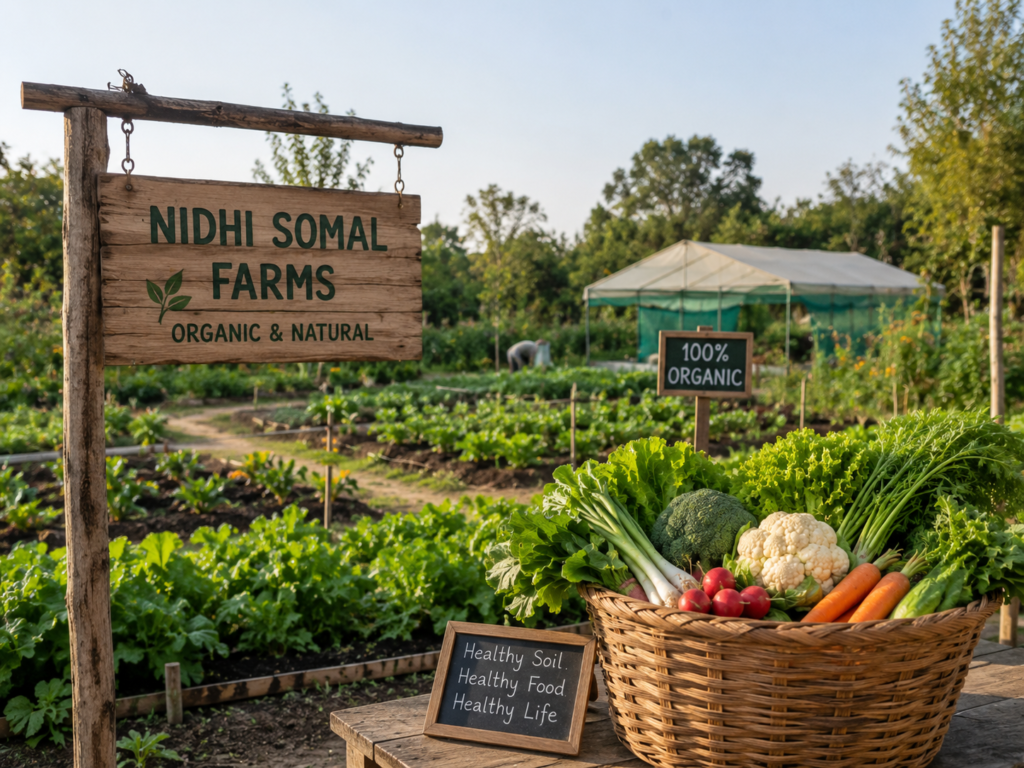
Benefits of Organic Farming for Health and Environment
Introduction
Organic farming is becoming one of the most trusted agricultural practices across the world. Instead of relying on synthetic fertilizers and chemical pesticides, it focuses on natural methods that protect crops, improve soil fertility, and preserve the environment. As consumers become more health-conscious and environmentally aware, the demand for organically grown food continues to grow.
At Nidhi Somal Farms, we believe that farming should work in harmony with nature. Organic farming not only produces healthier fruits and vegetables but also supports biodiversity, conserves natural resources, and creates a sustainable future for generations to come.
Why Organic Farming Matters
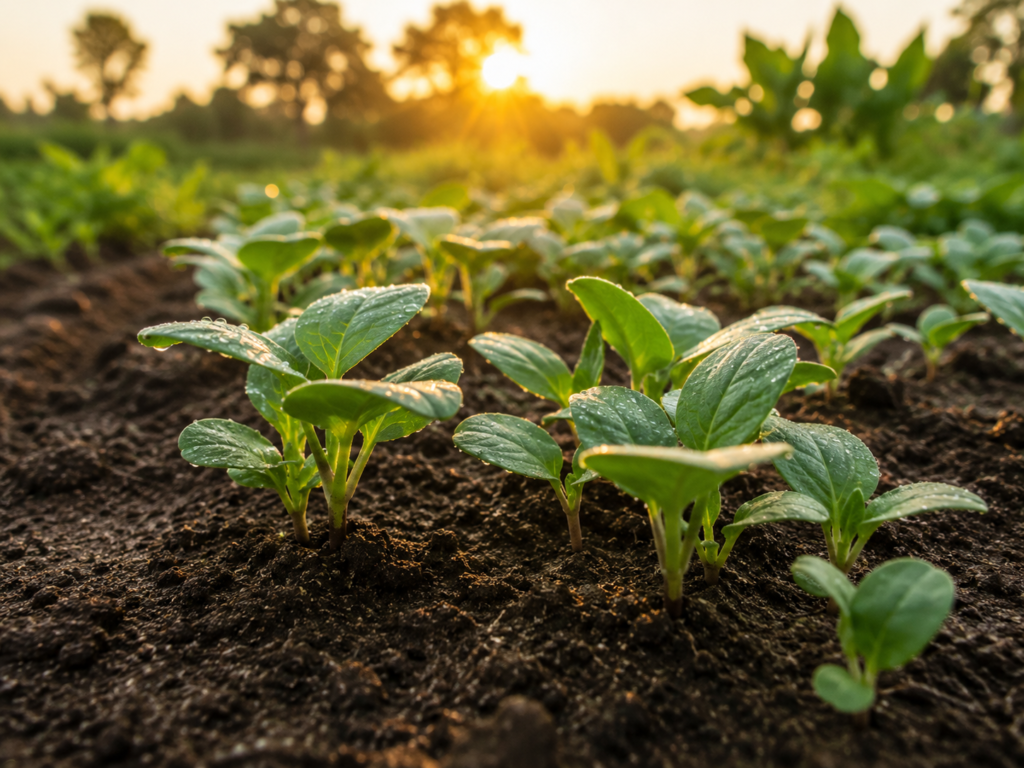
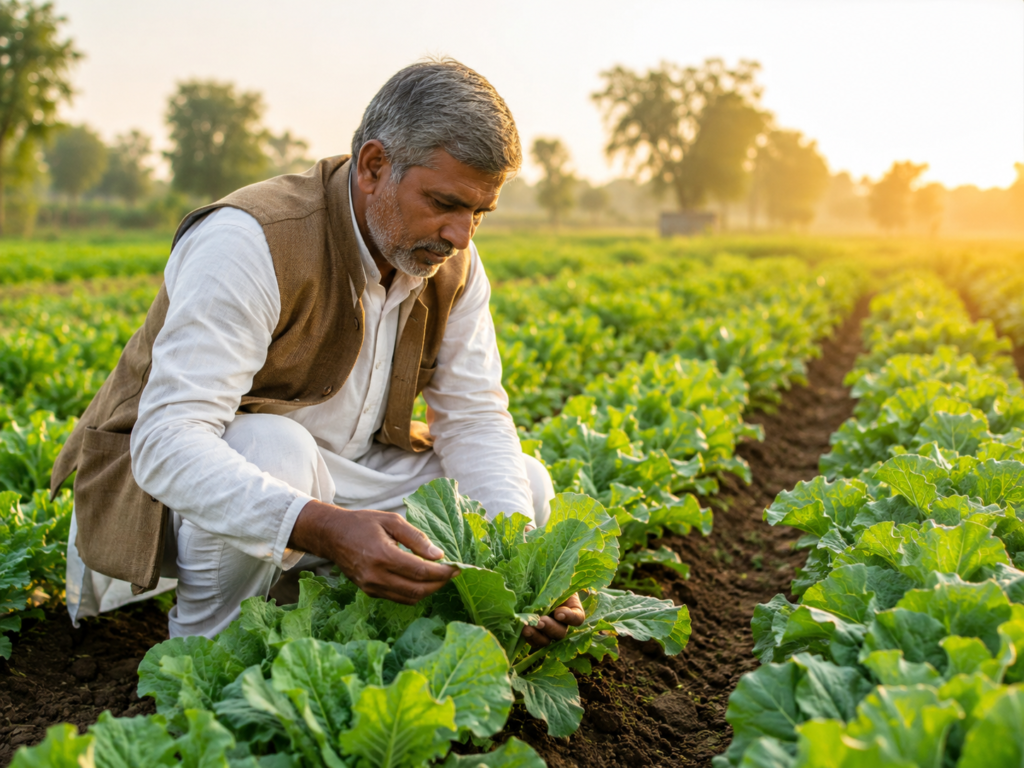
Organic farming is much more than simply avoiding chemicals. It is a complete agricultural approach that prioritizes soil health, clean water, biodiversity, and safe food production. Farmers use natural compost, crop rotation, biological pest control, and environmentally friendly techniques to maintain productive fields without harming ecosystems.
These methods encourage long-term agricultural sustainability while reducing pollution and preserving the quality of natural resources.
Health Benefits of Organic Farming
Safer and Chemical-Free Food
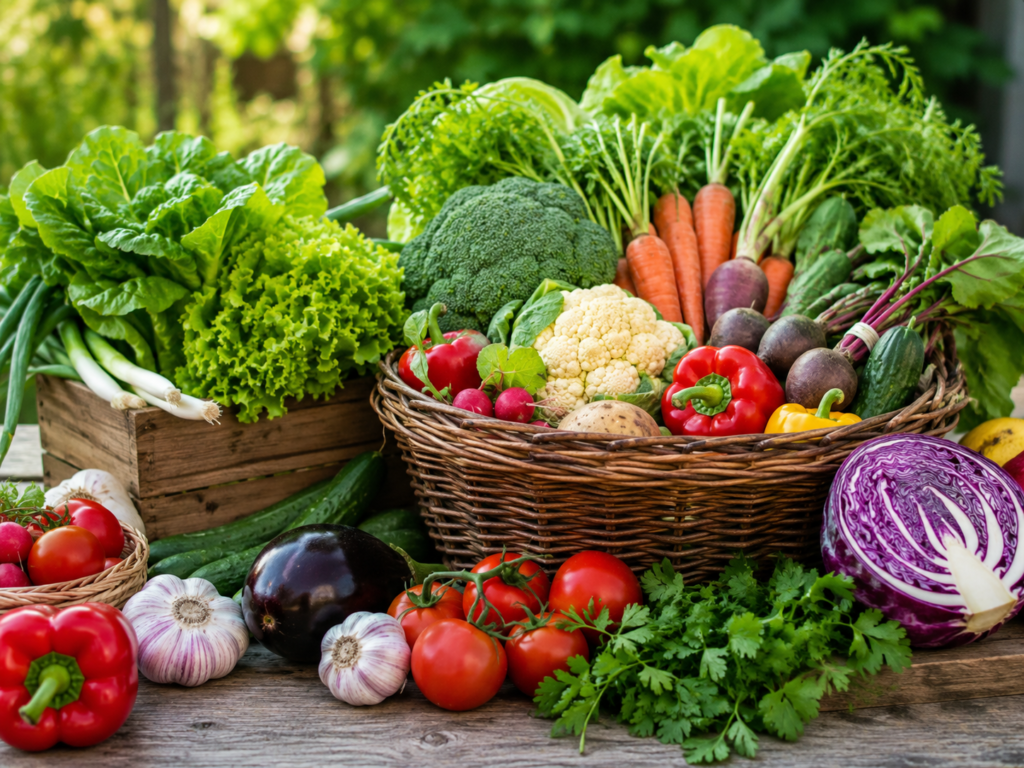
Organic fruits and vegetables are grown without synthetic pesticides or harmful chemical fertilizers. This helps reduce chemical residues on food, giving consumers greater confidence in what they eat.
Rich in Natural Nutrients
Healthy soil supports healthier crops. Organic farming practices improve soil structure and microbial activity, helping plants absorb essential nutrients naturally.
Better Taste and Freshness
Many consumers appreciate the natural taste and freshness of organically grown produce because it is cultivated using traditional farming practices and harvested with care.
Supports Healthy Living
Choosing organic products encourages a healthier lifestyle by promoting cleaner food production methods and reducing exposure to unnecessary agricultural chemicals.
Environmental Benefits of Organic Farming
Improves Soil Fertility
Organic compost, green manure, and crop rotation naturally increase soil fertility while protecting valuable microorganisms that keep soil healthy.
Protects Water Resources
Since synthetic chemicals are not heavily used, there is less risk of contaminating nearby rivers, lakes, and groundwater.
Supports Biodiversity
Organic farms provide a safer habitat for birds, butterflies, bees, earthworms, and beneficial insects that contribute to balanced ecosystems.
Reduces Environmental Pollution
Natural farming methods decrease chemical runoff and improve the overall health of surrounding ecosystems.
Helps Combat Climate Change
Healthy organic soil stores more carbon, while sustainable farming practices can reduce greenhouse gas emissions compared to intensive chemical farming.
Economic Benefits for Farmers
Organic farming can also create long-term value for farmers by improving soil productivity, reducing dependence on expensive chemical inputs, and meeting the growing demand for naturally produced food. As consumer awareness increases, organic products often gain stronger market recognition and customer trust.
Why Consumers Prefer Organic Products
Today’s consumers are increasingly interested in food that is fresh, naturally grown, and responsibly produced. Organic farming aligns with these expectations by emphasizing transparency, sustainability, and quality. Supporting organic farms also encourages environmentally responsible agriculture and strengthens local farming communities.
Organic Farming at Nidhi Somal Farms
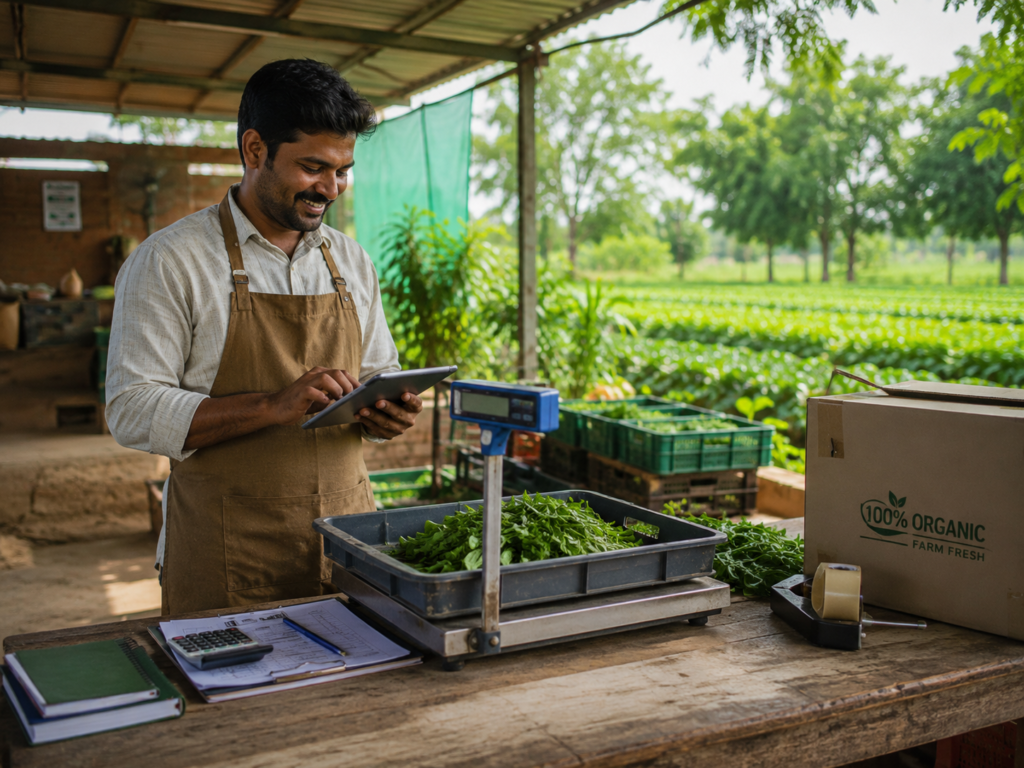
At Nidhi Somal Farms, we are committed to farming practices that respect nature while delivering fresh, high-quality produce. Our focus is on maintaining healthy soil, conserving natural resources, and growing crops through sustainable methods that benefit both people and the environment.
Conclusion
Organic farming represents a responsible approach to agriculture that benefits farmers, consumers, and the planet. By promoting healthier food, protecting natural ecosystems, improving soil fertility, and encouraging sustainable farming practices, it plays an important role in building a greener future. Every step toward organic agriculture contributes to healthier communities and a healthier environment..
Frequently Asked Questions (FAQs)
1. What is organic farming?
Organic farming is a method of agriculture that uses natural inputs and sustainable farming practices instead of synthetic fertilizers and chemical pesticides.
2. Why is organic farming better for the environment?
It improves soil health, protects water resources, supports biodiversity, and reduces environmental pollution.
3. Is organic food healthier?
Organic food is produced using natural farming methods that minimize synthetic chemical use, making it a preferred choice for many health-conscious consumers.
4. How does organic farming improve soil?
It uses compost, crop rotation, and natural fertilizers that enhance soil fertility and encourage beneficial microorganisms.
5. Why should consumers support organic farmers?
Supporting organic farmers promotes sustainable agriculture, healthier food systems, and environmentally responsible farming practices.